
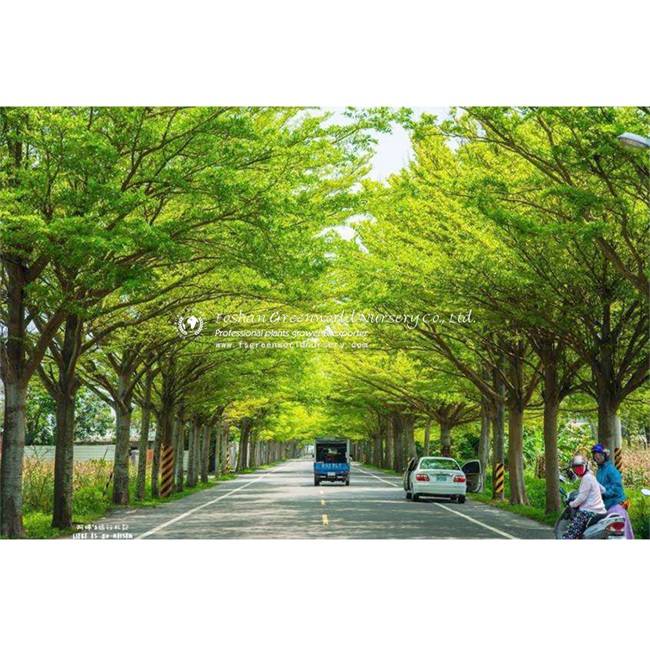
In recent years, the art of bonsai has captivated plant enthusiasts and nature lovers worldwide, offering a unique blend of horticulture, patience, and creativity. Among the many species chosen for bonsai cultivation, the Hibiscus Tiliaceus stands out for its distinctive beauty and adaptability. Coupled with a diverse range of other botanical varieties, such as Lagerstroemia Indica, Delonix Regia, and Ficus Nitida, these plants not only enhance aesthetic appeal but also promote ecological balance and cultural appreciation.
### Hibiscus Tiliaceus Bonsai: A Symbol of Natural Splendor
The Hibiscus Tiliaceus, commonly known as the sea hibiscus or coastal hibiscus, is a tropical tree that thrives in coastal regions. When cultivated as a bonsai, this plant transforms into a living piece of art with its heart-shaped leaves, smooth bark, and vibrant yellow flowers that turn crimson with age. Its adaptability to pruning and training makes it an excellent candidate for bonsai enthusiasts seeking a graceful and resilient tree.
The miniature form of Hibiscus Tiliaceus bonsai captures the essence of tropical beauty and serenity. Its compact size allows it to be a stunning centerpiece in homes, offices, and gardens, bringing a touch of nature’s delicate elegance indoors. Beyond aesthetics, cultivating this bonsai encourages mindfulness and appreciation for the slow growth and intricate details of plant life.
### A Glimpse into an Exquisite Plant Collection
This fascination with Hibiscus Tiliaceus bonsai is part of a broader enthusiasm for diverse plant species that combine ornamental beauty with environmental benefits. The collection features a rich assortment of trees and shrubs catering to various climates, design preferences, and cultural significances:
- **Lagerstroemia Indica**: Popularly known as the crepe myrtle, this deciduous tree is admired for its long-lasting summer blooms in vibrant shades of pink, red, and white. Its peeling bark and multiple trunks provide dynamic textures, making it a favored choice for landscaping.
- **Delonix Regia**: The flamboyant flame tree is renowned for its fiery red-orange flowers and broad canopy. This tropical beauty offers both shade and dramatic color, enhancing any garden or urban green space.
- **Hibiscus Tiliaceus Rubra**: A variety of the sea hibiscus with striking red flowers, adding diversity and richness to a bonsai or garden collection.
- **Pongamia Pinnata**: Also known as the Indian beech, it is valued for its nitrogen-fixing properties, aiding soil fertility. Its presence supports ecological sustainability in reforestation and landscaping projects.
- **Albizia Saman**: Known as the rain tree, this species is famous for its expansive canopy and delicate, fern-like leaves. It offers substantial shade and a habitat for various bird species.
- **Millingtonia Hortensis**: Often called the Indian cork tree, it produces fragrant white flowers and has a fast growth rate, suitable for quick greening of urban areas.
- **Ficus Nitida**: Popular in bonsai cultivation, this fig species is appreciated for its dense foliage and resilience. Its aerial roots add character and visual interest.
- **Peltophorum**: A flowering tree that thrives in tropical climates, known for its yellow blooms and sturdy structure, often used in urban landscaping.
- **Ginkgo Biloba**: A living fossil, the ginkgo offers unique fan-shaped leaves that turn brilliant yellow in autumn, making it a seasonal highlight.
- **Magnolia Grandiflora**: An evergreen tree with large, fragrant white flowers, prized in ornamental horticulture for its stately presence.
- **Photinia Serrulata**: This shrub features glossy red leaves and small white flowers, often used for hedging and decorative purposes.
- **Cinnamomum Camphora**: The camphor tree is notable for its aromatic properties and fast growth, widely planted for both shade and medicinal uses.
- **Prunus Yedoensis**: Known commonly as the Yoshino cherry, it is celebrated for its stunning spring blossoms that have cultural importance in Japan and beyond.
- **Trachycarpus Fortunei**: Also called the windmill palm, it adds a tropical flair to cooler temperate climates, known for its hardiness.
- **Tecoma Stans**: A shrub or small tree with bright yellow trumpet-shaped flowers that attract pollinators, adding ecological value.
- **Wodyetia Bifurcata**: The foxtail palm boasts lush, feathery fronds and is a favorite in tropical landscaping.
- **Sea Grape Plant**: This coastal shrub or small tree produces large, leathery leaves and edible fruit, often planted for erosion control.
- **Ficus Religiosa (Sacred Fig Tree)**: Revered in many cultures, particularly in South Asia, it is associated with spiritual significance and grand canopy coverage.
- **Ficus Racemosa**: Known for its unique cauliflorous fruiting habit, this fig tree is important for local ecosystems and traditional uses.
### Harmonizing Tradition, Ecology, and Modern Horticulture
The integration of Hibiscus Tiliaceus bonsai and these diverse plant species exemplifies a holistic approach to horticulture, emphasizing beauty, cultural heritage, and ecological sustainability. Bonsai cultivation, in particular, encourages environmental awareness and patience, fostering a deeper connection between humans and nature.
Furthermore, the diversity of this plant collection supports urban greening initiatives, enhances biodiversity, and offers opportunities for education and recreation. These plants are not only decorative but also contribute significantly to urban cooling, air purification, and habitat provision.
### Conclusion
From the delicate leaves of the Hibiscus Tiliaceus bonsai to the towering presence of the Delonix Regia and the historic charm of Ginkgo Biloba, the diverse array of plants presented offers abundant inspiration for gardeners, landscapers, and nature enthusiasts alike. Cultivating such variety enriches our environment and deepens our appreciation for the wonders of the plant kingdom.
Whether aiming to create intimate bonsai displays or expansive green landscapes, the harmonious inclusion of these remarkable species invites everyone to celebrate the timeless beauty and vital importance of plants in our lives.