
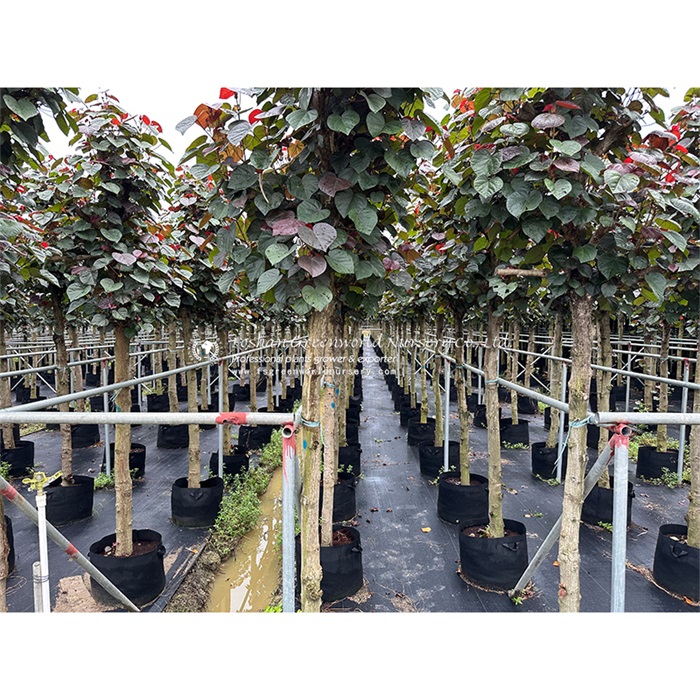
In recent years, Moringa Oleifera has garnered significant attention worldwide for its impressive nutritional profile, medicinal properties, and environmental benefits. Often touted as a "miracle tree," this plant has been the subject of numerous studies highlighting its potential to improve health outcomes and support sustainable agriculture. When combined with a variety of other botanical species such as Lagerstroemia Indica, Delonix Regia, Hibiscus Tiliaceus, and more, the possibilities for integrated botanical applications expand, promising innovations in fields ranging from ecological restoration to wellness products.
### The Power of Moringa Oleifera
Moringa Oleifera, native to parts of South Asia and Africa, is renowned for its nutrient-dense leaves, which are rich in vitamins A, C, and E, calcium, potassium, and protein. Its leaves, pods, and seeds are utilized in various forms—powder, extract, oil—across food supplements and traditional medicine. Among its acclaimed benefits are anti-inflammatory, antioxidant, and antimicrobial effects, which have led to its widespread use in managing chronic diseases and improving general health.
Beyond nutrition, Moringa has a low water requirement and fast growth rate, making it a valuable resource for combating desertification and for use in reforestation initiatives. Its ability to thrive in harsh climates positions it as a critical species in sustainable agriculture and environmental conservation.
### Complementary Botanical Diversity
The integration of Moringa Oleifera with diversified plant species presents an exciting avenue for both environmental and commercial endeavors. Consider plants such as Lagerstroemia Indica, known for its attractive blossoms and durability; Delonix Regia, the flamboyant tree famous for its vibrant red flowers; and Hibiscus Tiliaceus, often used in coastal afforestation for its salt tolerance and soil stabilization properties.
Adding to the mix are trees like Pongamia Pinnata, valued for its biofuel potential; Albizia Saman, popularly called the rain tree, which offers shade and enriches soil fertility through nitrogen fixation; and Millingtonia Hortensis, a fragrant flowering tree prevalent in urban landscaping. The inclusion of species like Ficus Nitida, a robust shade provider often used in parklands, and Peltophorum, valued for its ornamental qualities, further enhances biodiversity.
Furthermore, classic medicinal and culturally significant plants such as Ginkgo Biloba, Magnolia Grandiflora, and Ficus Religiosa (Sacred Fig) contribute not only ecological benefits but also opportunities for pharmaceutical exploration. Trees like Prunus Yedoensis and Trachycarpus Fortunei, prized for their beauty, complement urban greenscaping initiatives. Moreover, tropical and subtropical species including Tecoma Stans, Wodyetia Bifurcata, Sea Grape Plant, and Ficus Racemosa, add to the spectrum of environments supported, ranging from coastal to temperate zones.
### Synergies in Ecology and Industry
The combined use of Moringa Oleifera alongside this diverse ensemble of plants can foster multifunctional landscapes that serve ecological, economic, and social functions. Moringa’s rapid biomass production benefits agroforestry systems where nitrogen-fixing or shade-producing species increase soil fertility and mitigate climate extremes. For instance, co-planting with Albizia Saman can enrich degraded soils, while Delonix Regia and Lagerstroemia Indica contribute aesthetic and ecological value through pollinator attraction and habitat provision.
From a conservation perspective, planting a diverse array of species minimizes risks associated with monoculture plantations, promoting ecosystem resilience against pests, diseases, and climate variability. The collective canopy and root systems of multiple species improve rainwater infiltration, reduce erosion, and enhance carbon sequestration—a critical aspect in global climate change mitigation efforts.
In commercial sectors, such diversity supports the development of innovative wellness, cosmetic, and nutraceutical products. For example, combining Moringa's antioxidant-rich compounds with phytochemicals from Ginkgo Biloba and Hibiscus Tiliaceus could lead to novel formulations targeting cardiovascular health, skin care, or immune support. Additionally, species like Pongamia Pinnata, with its potential as a sustainable biooil source, offer green industrial inputs that complement Moringa’s environmental profile.
### Urban and Community Benefits
In urban landscapes, integrating these plants contributes to enhancing air quality, reducing urban heat island effects, and improving residents' mental well-being through green spaces. The fragrances of Magnolia Grandiflora and Millingtonia Hortensis, along with the shade from Ficus Nitida and Albizia Saman, create hospitable outdoor environments, encouraging community interactions and physical activity.
Community-level projects centered on cultivating Moringa along with other complementary species can empower local populations by providing food security, medicinal resources, and economic opportunities. The ability to harvest multiple products—such as Moringa leaves for nutrition, Hibiscus petals for beverages, and Pongamia seeds for biofuel—strengthens local sustainable economies.
### Future Prospects
The conjunction of Moringa Oleifera with a spectrum of botanicals represents a holistic approach to tackling global challenges related to nutrition, environmental degradation, and climate change. Further scientific research aimed at understanding the ecological interactions and potential synergistic benefits among these species will be crucial in optimizing their combined use.
Institutions, agricultural innovators, and urban planners are encouraged to adopt multi-species planting models that leverage the unique strengths of each plant for maximizing ecological services and economic returns. By doing so, the success stories around Moringa can be amplified, contributing significantly to sustainable development goals.
### Conclusion
Moringa Oleifera stands out as a versatile and valuable species in today’s environmental and health landscapes. When thoughtfully integrated with a diverse range of plants such as Lagerstroemia Indica, Delonix Regia, Hibiscus Tiliaceus, and many others, the potential for creating rich, resilient ecosystems expands significantly. This synergy not only promotes biodiversity and ecological health but also drives forward sustainable industry and community well-being. Embracing this botanical diversity could well mark a green revolution that benefits people and the planet alike.