
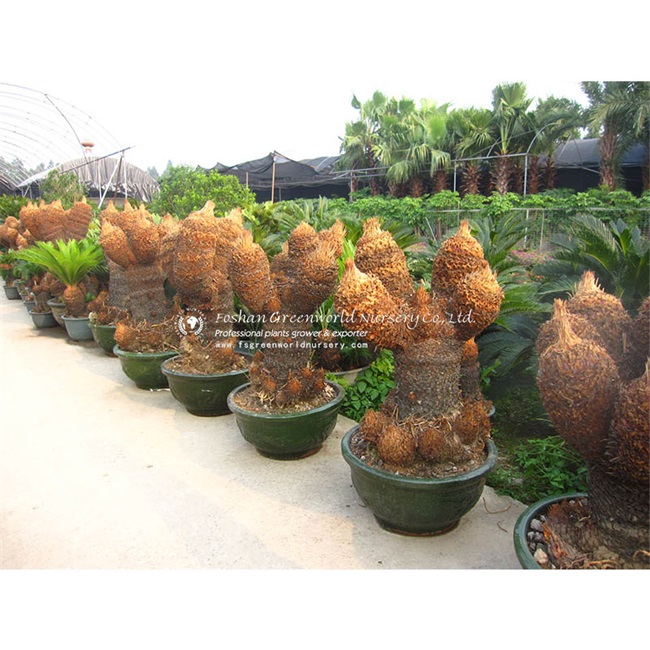
In recent years, the demand for ornamental plants has surged significantly, driven by an increasing awareness of environmental sustainability, urban beautification, and the mental health benefits associated with greenery. Among the many species gaining popularity is *Terminalia mantaly*, a striking ornamental tree known for its distinctive layered branching and lush green foliage. This tree, alongside a variety of other remarkable plants, is transforming urban and suburban landscapes, offering aesthetic appeal as well as ecological benefits.
### The Charm and Benefits of *Terminalia mantaly*
Commonly known as the Madagascar almond or umbrella tree, *Terminalia mantaly* is a fast-growing evergreen species native to Madagascar. Its unique, horizontally tiered branches resemble a series of umbrellas, lending an architectural elegance that few other trees possess. This natural design makes it a favorite for creating natural canopies, shade structures, or privacy barriers in gardens, parks, and along streets.
Beyond its architectural beauty, *Terminalia mantaly* plays a vital role in urban ecosystems. It provides habitat and food for various bird species, aids in carbon sequestration, and helps reduce urban heat island effects. Its moderate water requirements and adaptability to different soil types also make it an excellent choice for cities facing climate variability and water scarcity.
### A Spectrum of Ornamental Trees Enhancing Urban Ecosystems
The allure of *Terminalia mantaly* is matched by a variety of other ornamental plant species favored by landscapers, horticulturists, and urban planners. These include:
- **Lagerstroemia indica (Crape Myrtle):** Known for its stunning summer blooms that come in shades of white, pink, and vibrant purple, this deciduous tree is cherished for both street planting and private gardens.
- **Delonix regia (Royal Poinciana):** This flamboyant tree sports fiery red flowers that paint the landscape in brilliant color every blooming season. It’s often used in tropical and subtropical climates for ornamental purposes.
- **Hibiscus tiliaceus varieties (including Rubra):** These fast-growing trees and shrubs provide lush greenery and large, attractive flowers that add tropical flair to any environment.
- **Pongamia pinnata:** Also regarded for its environmental benefits, this nitrogen-fixing tree is valued for improving soil quality while offering dense shade.
- **Albizia saman (Rain Tree):** Characterized by its expansive canopy, the rain tree offers excellent shade and is a common sight in parks and avenues.
- **Millingtonia hortensis (Indian Cork Tree):** Known for its fragrant white flowers and tall, straight growth, this tree is both decorative and useful as a street tree.
- **Ficus nitida (Indian Laurel Fig):** A popular choice for bonsai enthusiasts and large-scale landscape projects alike due to its dense foliage and robust nature.
- **Peltophorum:** Valued for bright yellow flowers and moderate height, making it suitable for urban green spaces.
- **Ginkgo biloba:** Famous for its fan-shaped leaves and exceptional resilience, the ginkgo is often planted in temperate urban areas.
- **Magnolia grandiflora:** With its large, fragrant white flowers and glossy leaves, this tree adds elegance to gardens and parks.
- **Photinia serrulata:** This shrub or small tree is favored for its red-tinted new foliage, contributing vibrant color variations.
- **Cinnamomum camphora (Camphor Tree):** Known for its aromatic leaves and density, the camphor tree provides considerable shade and is a mainstay in many landscaping schemes.
- **Prunus yedoensis (Yoshino Cherry):** Celebrated for its breathtaking blossom displays in spring, adding seasonal dynamism to landscapes.
- **Trachycarpus fortunei:** A hardy palm species that brings tropical charm to temperate climates.
- **Tecoma stans:** This flowering shrub or small tree is admired for bright yellow trumpet-shaped flowers.
- **Wodyetia bifurcata (Foxtail Palm):** Recognized for its elegant leaf structure and tropical ambiance.
- **Sea Grape Plant:** Known for its round leaves and ability to grow as hedges, windbreaks, or stand-alone specimens near coastal areas.
- **Ficus religiosa (Sacred Fig Tree):** Iconic in religious and cultural contexts, providing excellent shade and spiritual significance.
- **Ficus racemosa:** Another fig species with ecological and aesthetic value, often integrated in mixed planting schemes.
### The Role of Ornamental Plants in Modern Urbanization
The inclusion of varied plant species in urban development projects signals a shift from mere functional landscaping to purposeful, environmentally conscious urban design. Trees like *Terminalia mantaly* and the aforementioned species contribute to improving air quality, mitigating noise pollution, and enhancing urban biodiversity. City planners increasingly recognize the psychological and social benefits of green spaces, promoting community engagement, physical activity, and reductions in stress levels.
Alongside public initiatives, private homeowners and businesses are embracing ornamental plants to boost property values and create serene environments amidst busy city life. The adaptability of these species to different soil and climate conditions ensures their suitability across various regions, aiding the global drive toward sustainable urban ecosystems.
### Conclusion
The adoption of *Terminalia mantaly*—along with Lagerstroemia indica, Delonix regia, Hibiscus tiliaceus, Pongamia pinnata, Albizia saman, and others—marks a vibrant trend in urban forestry and landscaping. These plants not only beautify but also sustain urban environments, offering a comprehensive approach to managing ecological challenges and improving quality of life. As more municipalities and individuals recognize the importance of green infrastructure, the future looks promising for the integration of these ornamental trees into everyday spaces.
With ongoing research and community participation, these trees will continue to thrive, symbolizing a harmonious balance between nature and urban living, where every branch and leaf contributes to healthier, more vibrant cities.