
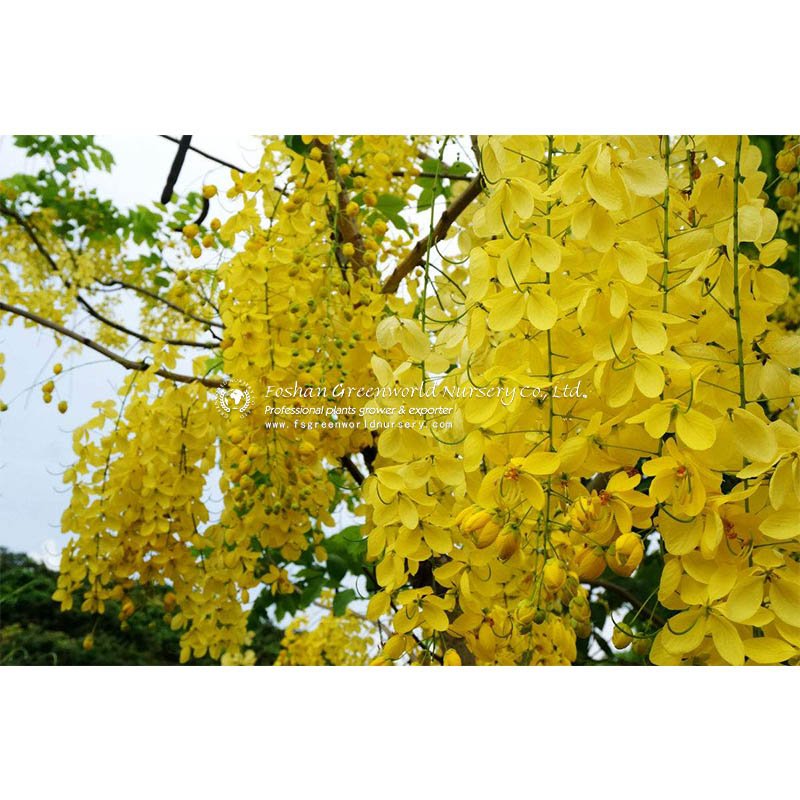
In recent horticultural developments, the majestic Cycad King Sago has captured the admiration of plant enthusiasts and landscapers alike. Renowned for its striking appearance and resilience, this ancient plant species holds a prominent place in both ornamental gardening and environmental landscaping. Alongside this botanical marvel, a diverse array of plants including Lagerstroemia Indica, Delonix Regia, Hibiscus Tiliaceus varieties, and many others continue to enrich gardens and urban spaces, enhancing biodiversity and aesthetic appeal.
### The Timeless Appeal of Cycad King Sago
The Cycad King Sago, a type of sago palm, is cherished for its prehistoric lineage and robust structure. Its architectural form with stiff, dark green fronds radiating in symmetry provides a focal point in any garden or landscaping project. Known scientifically as *Cycas revoluta*, this plant is remarkably adaptable to various climates and can thrive in both indoor and outdoor settings. It requires moderate care, including well-drained soil and indirect sunlight, making it a suitable addition for both novice gardeners and professionals.
Historically, cycads have existed for over 280 million years, predating the dinosaurs. This remarkable survival story adds to the allure of the Cycad King Sago, making it not just a decorative plant but a living piece of Earth's botanical history. The plant is often used in garden designs to add a tropical or prehistoric element, providing a unique textural contrast to softer, leafy plants.
### Enriching the Landscape: A Diverse Botanical Palette
Complementing the Cycad King Sago are numerous other plant species that contribute different colors, textures, and ecological benefits to outdoor spaces. Each species has its unique qualities that make them valuable in landscaping, urban forestry, and ecological conservation.
- **Lagerstroemia Indica (Crape Myrtle)**
Widely admired for its vibrant summer blooms and smooth, exfoliating bark, Lagerstroemia Indica is a staple in many gardens and streetscapes. Its flowers, which come in shades of pink, red, purple, and white, attract pollinators such as butterflies and bees, fostering biodiversity.
- **Delonix Regia (Flamboyant Tree)**
Known for its brilliant scarlet flowers and broad canopy, Delonix Regia is a tropical icon that offers shade and ornamental beauty. Its fern-like leaves and striking floral display make it a favorite for parks and large gardens.
- **Hibiscus Tiliaceus (Beach Hibiscus)**
This coastal plant, including its variants Rubra and others, thrives in saline conditions and is often used for coastal stabilization. Its large, colorful blooms serve as a nectar source for many pollinators.
- **Pongamia Pinnata (Indian Beech)**
A nitrogen-fixing tree, Pongamia Pinnata improves soil fertility and is also valued for its oil-rich seeds used in biofuel production. Its dense canopy provides shelter and shade in afforestation efforts.
- **Albizia Saman (Rain Tree)**
Famous for its expansive umbrella-like canopy, Albizia Saman is a popular shade tree. The tree also supports birdlife and improves soil through nitrogen fixation.
- **Millingtonia Hortensis (Indian Cork Tree)**
This tree is prized for its fragrant white flowers and fast growth, making it ideal for rapid greening projects.
- **Ficus Nitida and Ficus Religiosa (Sacred Fig)**
Both species are culturally and spiritually significant in several Asian countries and are widely used in urban landscaping for their majestic form and extensive canopy.
- **Peltophorum, Ginkgo Biloba, Magnolia Grandiflora, and Others**
These varieties offer a range of ecological and aesthetic functions—from the unique fan-shaped leaves of Ginkgo Biloba that turn golden in autumn to the large, fragrant blooms of Magnolia Grandiflora.
### Ecological and Cultural Benefits
The inclusion of such diverse species in contemporary landscaping plans is more than an exercise in beautification. It reflects a growing awareness of the ecological importance of plant diversity. Many of these plants provide habitats and food sources for insects, birds, and small mammals, contributing to urban biodiversity. Their presence mitigates urban heat island effects, improves air quality, and promotes a healthier ecosystem.
Moreover, plants like Ficus Religiosa hold deep cultural significance, symbolizing enlightenment and peace in various traditions. This aspect adds a layer of heritage and spirituality to public and private green spaces.
### The Path Forward: Sustainable and Thoughtful Landscaping
The popularity of Cycad King Sago alongside this varied botanical cast underscores a global trend toward sustainable and thoughtful landscaping. Urban planners and horticulturists advocate for integrating native and adaptable species that support local ecosystems while offering aesthetic value.
By combining the timeless resilience and distinct beauty of Cycad King Sago with the functional and ecological benefits of plants like Lagerstroemia Indica, Delonix Regia, and Ficus Religiosa, cities and communities can foster greener, healthier environments. Such efforts not only improve the quality of life but also engage citizens with nature, promoting awareness and stewardship of the natural world.
### Conclusion
The Cycad King Sago stands as a symbol of botanical resilience and beauty, while an array of complementary species enriches the palette available for gardeners and landscapers. Together, they embody a harmonious blend of history, culture, ecology, and aesthetics that defines modern horticulture. As we continue to cultivate our gardens and green spaces, these plants will remain pivotal in shaping sustainable and vibrant landscapes for generations to come.