
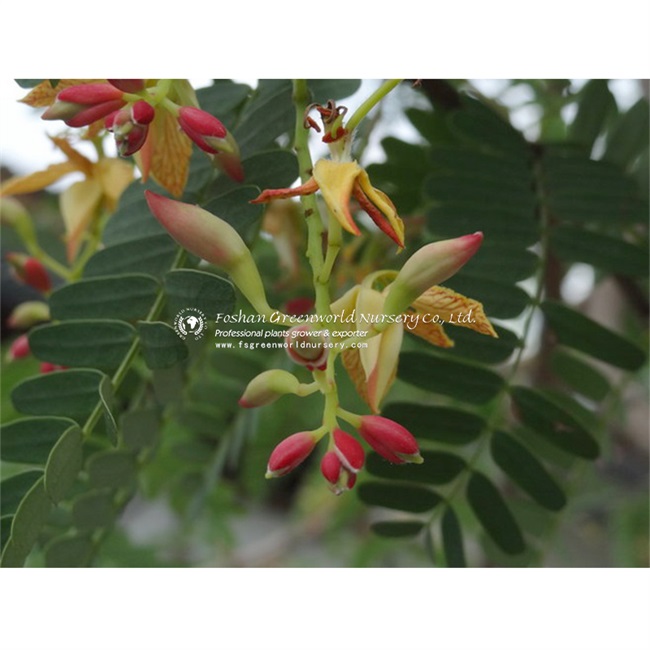
In the ever-evolving world of horticulture and urban greening, the appreciation for diverse plant species continues to grow, bringing both ecological and aesthetic benefits to our environments. Among the multitude of trees that contribute to this verdant tapestry, the Ficus genus stands out for its remarkable adaptability, cultural significance, and ornamental value. One particular variety garnering attention is the vibrant yellow-leaved Ficus Altissima, affectionately known as the ‘Yellow Gem’. This plant exemplifies the unique charm and functionality that Ficus species bring to gardens, streetscapes, and indoor settings alike.
### A Spotlight on Ficus Altissima Yellow Gem
Ficus Altissima Yellow Gem is distinguished by its striking yellow foliage and vigorous growth habit, making it an ideal specimen for those seeking a splash of color along with robust greenery. Native to tropical and subtropical Asia, this evergreen tree thrives in warm climates, accommodating urban environments where greenery is essential for enhancing air quality and visual appeal. Its broad, glossy leaves not only provide shade but also uplift the surroundings with their golden hues, creating a refreshing contrast against darker green landscapes.
This species is particularly valued for its resilience and moderate size, which suits both commercial plantations and residential landscapes. With minimal maintenance, the Yellow Gem serves as a natural air purifier, filtering pollutants and releasing vital oxygen, thereby contributing to healthier living spaces.
### Integrating with a Diverse Palette of Trees
While Ficus Altissima Yellow Gem shines brightly on its own, it is part of a broader family of remarkable trees featured in this company’s extensive botanical collection, showcasing the diversity of flora suited to various climates and uses. This rich assortment includes iconic species such as Lagerstroemia Indica, widely known as crape myrtle, famed for its abundant and colorful summer flowers, which bring vibrancy to any garden or street.
The venerable Delonix Regia, or royal poinciana, is another star in the collection, renowned for its flamboyant crimson blooms and broad canopy, offering shade and striking visuals. Likewise, Hibiscus species like Hibiscus Tiliaceus Rubra and Hibiscus Tiliaceus contribute tropical flair with their lush flowers and adaptability to coastal and tropical conditions.
Further enriching the roster are native tree varieties such as Pongamia Pinnata — known for its nitrogen-fixing capability and uses in biofuel production — and Albizia Saman, commonly called the rain tree, revered for its expansive canopy and rapid growth.
The inclusion of Millingtonia Hortensis, often referred to as the Indian cork tree, introduces a lovely fragrance with its white blossoms, enhancing sensory experiences in any green space. Meanwhile, Ficus Nitida (Indian laurel) and Ficus Religiosa (sacred fig) add both cultural importance and aesthetic depth, the latter being a revered species in many Asian cultures for its spiritual connotations.
### The Broader Botanical Collection
Beyond the Ficus genus, the company’s catalog boasts an impressive list of species including Peltophorum, known for its golden flowering, and Ginkgo Biloba, a living fossil prized for its fan-shaped leaves and medicinal properties. Additionally, Magnolia Grandiflora’s magnificent white flowers and glossy leaves introduce classic Southern charm, while Photinia Serrulata’s red young leaves add seasonal interest.
Cinnamomum Camphora, the camphor tree, is another versatile selection, valued for its aromatic leaves and timber. Prunus Yedoensis, the Yoshino cherry, brings delicate blossoms every spring, adored worldwide for its ornamental beauty and as a harbinger of seasonal change.
Tropical species like Trachycarpus Fortunei, a hardy palm tree, Tecoma Stans with its bright yellow trumpet flowers, and Wodyetia Bifurcata (foxtail palm) contribute exotic elements fit for diverse landscape themes. The Sea Grape plant, with its large round leaves and edible fruit, enhances coastal and tropical gardens with unique texture and utility.
Also noteworthy are the venerable Ficus Racemosa, a wild fig treasured for both its ecological role and fruit, and the intricate art of Ficus Religiosa bonsai, allowing enthusiasts to cultivate a miniature version of the sacred fig.
### Ecological and Social Benefits of Tree Diversity
The richness of this collection speaks to a commitment not only to aesthetic variety but also to environmental sustainability. Trees such as Pongamia Pinnata enhance soil health through nitrogen fixation, reducing the need for artificial fertilizers. Others like Albizia Saman help sequester carbon rapidly due to their fast growth.
Urban forestry initiatives benefit greatly from these selections, as diverse plantings improve resilience against pests, diseases, and climate extremes. Species like Ficus Altissima Yellow Gem and its relatives provide cooler microclimates and boost urban biodiversity by supporting bird and insect populations.
### A Vision for Greener Future Spaces
The integration of these species into cityscapes, parks, and gardens represents a forward-thinking approach to horticulture and environmental stewardship. By embracing both commonly known and exotic species, this company underscores the importance of plant diversity in creating sustainable, beautiful, and functional green spaces.
For homeowners, landscapers, and city planners looking to enhance their environments, the offering of Ficus Altissima Yellow Gem alongside Lagerstroemia Indica, Delonix Regia, Hibiscus Tiliaceus, and many others presents an unbeatable palette from which to craft living works of art that benefit both people and the planet.
### Conclusion
The yellow-hued brilliance of Ficus Altissima Yellow Gem stands as a testament to the potential locked within nature’s vast botanical treasury. When combined with a comprehensive selection of species such as those outlined here, this collection not only beautifies spaces but also supports environmental well-being and cultural values. In a time when green spaces are ever more critical to quality of life, the thoughtful use of diverse, resilient, and attractive trees is a vital piece of the puzzle—and the Ficus genus continues to hold a proud place at the heart of this vision.