
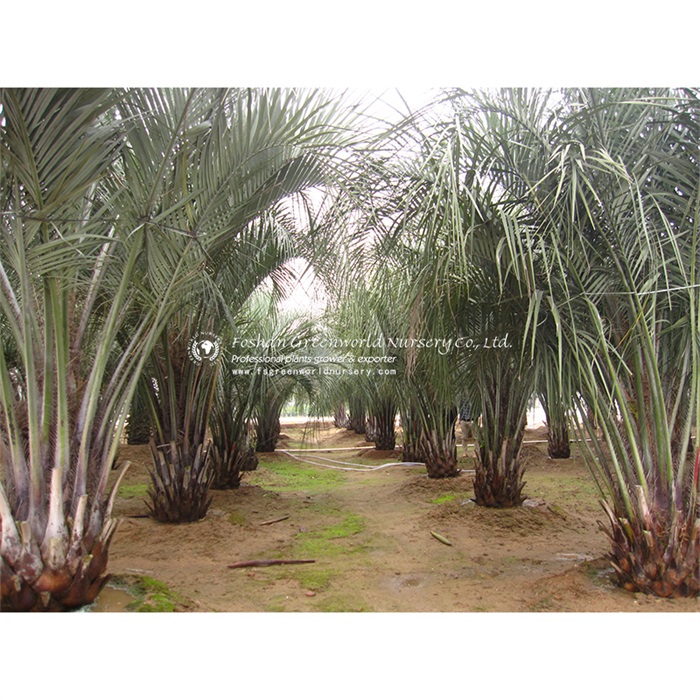
In recent years, urban landscaping and botanical enthusiasts have shown a growing interest in diverse tree species that enhance green spaces, promote environmental sustainability, and contribute to ecological balance. Among these, Lagerstroemia Indica, commonly known as crape myrtle, has captured attention worldwide for its remarkable aesthetic appeal and adaptability. Alongside a selection of other noteworthy species such as Delonix Regia, Hibiscus Tiliaceus, and Ginkgo Biloba, these trees are shaping the future of urban and rural horticulture.
### The Charm of Lagerstroemia Indica
Lagerstroemia Indica is celebrated for its vibrant and long-lasting blooms, which range from bright pinks and purples to crisp whites. This deciduous tree thrives in warm climates and flaunts smooth, exfoliating bark that adds year-round visual interest to any garden or park. Its moderately sized canopy provides ample shade, making it an excellent choice for streetscapes and residential yards.
One of the key benefits of Lagerstroemia Indica is its resilience. This species tolerates drought conditions once established and is resistant to common diseases that affect other flowering trees. Its adaptability means it can flourish in a variety of soil types, ensuring it can be incorporated into diverse landscape designs. Moreover, the crape myrtle’s flowering season extends from mid-summer to early fall, contributing color during months when many other plants are past their peak.
### Complementing Species for Diverse Landscapes
Urban planners, botanists, and gardeners often combine Lagerstroemia Indica with other species to create dynamic and sustainable ecosystems. Notable companions include:
- **Delonix Regia**: Also known as the flame tree, this species is famed for its fiery red-orange flowers and expansive canopy that provides extensive shade. It’s an excellent complement to the more delicate and floral Lagerstroemia Indica.
- **Hibiscus Tiliaceus** (including varieties Rubra and the Pongamia Pinnata): These tropical trees produce large, attractive flowers and are valued for their hardiness and ability to improve soil quality through nitrogen fixation.
- **Albizia Saman**, commonly referred to as the rain tree, adds a dramatic wide-spreading canopy that creates large shaded areas, promoting cooler microclimates in urban heat islands.
- **Millingtonia Hortensis** is a fragrant flowering tree that enhances sensory experiences in gardens and parks.
- **Ficus Nitida** and the **Ficus Religiosa** (Sacred Fig Tree), revered in many cultures, provide robust shade and contribute to air purification due to their extensive foliage.
- **Peltophorum** and **Prunus Yedoensis** introduce vibrant yellow blossoms and delicate cherry-like blooms respectively, enriching the seasonal palette of any green space.
### Trees for Utility and Aesthetic Appeal
Beyond ornamental qualities, many of these species offer practical benefits. For example:
- **Pongamia Pinnata** is useful for biofuel production and soil stabilization, making it increasingly important in agroforestry systems.
- **Ginkgo Biloba** is known for its resilience to pollution and its distinctive fan-shaped leaves, often cultivated in city environments subject to heavy traffic.
- **Magnolia Grandiflora** yields large, fragrant flowers and glossy evergreen leaves, contributing year-round greenery.
- **Sea Grape Plant** is particularly effective for coastal landscaping due to its salt tolerance and ability to prevent soil erosion.
- **Wodyetia Bifurcata** adds tropical aesthetics with its elegant palm fronds and adaptability to a variety of soil types.
- **Tecoma Stans** and **Trachycarpus Fortunei** are valued for their bright yellow blooms and hardy palms, respectively, enhancing gardens with vivid color and structure.
### Ecological and Cultural Significance
Many of these trees hold important ecological roles. They support pollinators such as bees, butterflies, and birds, forming critical components of healthy urban ecosystems. Trees like the Sacred Fig and Ficus Racemosa are intertwined with cultural practices and traditions, often found in spiritual or historic sites.
In addition to environmental benefits like carbon sequestration, shade provision, and cooling effects, these trees contribute to residents’ mental well-being by offering natural beauty and tranquil green spaces in increasingly urbanized areas.
### Promoting Sustainable Landscapes Through Strategic Planting
Landscape architects and municipal planners are integrating these species into city plans, road medians, parks, and residential developments. By doing so, they foster biodiversity, mitigate urban heat, and create resilient habitats tailored to the local climate.
The versatility of Lobsteremia Indica and the myriad species listed ensures that both private and public stakeholders can find the right combination to meet ecological, practical, and aesthetic goals. Moreover, planting native and well-adapted trees reduces maintenance costs and increases the likelihood of survival, ultimately supporting sustainable urban forestry initiatives.
### Conclusion
From the showy blooms of Lagerstroemia Indica to the towering shade of Albizia Saman and the resilient utility of Pongamia Pinnata, the spectrum of tree species available today offers unparalleled opportunities for enhancing urban and rural landscapes. Their combined benefits—ecological, cultural, and aesthetic—underscore the importance of thoughtful tree selection and care in promoting vibrant, healthy environments for generations to come.
By embracing these remarkable species, communities can create beautiful, sustainable green spaces that not only beautify our surroundings but also nurture biodiversity and contribute to overall environmental health. Whether it’s a public park, a roadside avenue, or a private garden, planting these diverse trees will undoubtedly enliven our environment and enrich our lives.