
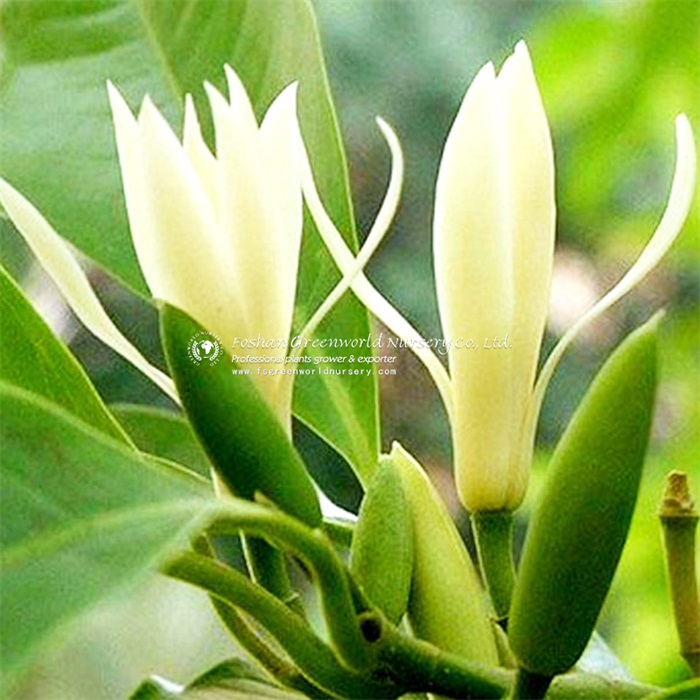
Thespesia Populneoides, also known as the Portia Tree or Pacific Rosewood, is native to tropical regions and is known for its ornamental value as well as its versatility in landscaping. This tree species has been utilized in various outdoor settings, such as gardens, parks, and public spaces, thanks to its ability to thrive in a variety of climate and soil conditions.
When combined with a diverse array of other botanical species, including Lagerstroemia Indica, Delonix Regia, Hibiscus Tiliaceus Rubra, Pongamia Pinnata, Albizia Saman, Millingtonia Hortensis, Ficus Nitida, and many more, Thespesia Populneoides can create visually appealing and ecologically sound landscapes.
The collaboration of Thespesia Populneoides with these other plant varieties offers numerous benefits. The combination of different species allows for a more diverse and resilient ecosystem, attracting a wider range of fauna and promoting biodiversity. Additionally, the collective presence of various botanical species contributes to the overall health of the environment and the surrounding ecosystem.
Moreover, the combination of different botanical species can also create visually stunning landscapes. The contrasting colors, shapes, and textures of the various plants can provide a multi-sensory experience, appealing to both aesthetics and ecological values. The lush greenery, vibrant flowers, and distinctive foliage of these plants provide a striking visual impact, enhancing the overall atmosphere of the space.
Furthermore, the use of Thespesia Populneoides in combination with other botanical species can also contribute to environmental conservation efforts. The collective presence of these plants aids in air purification, soil stabilization, and water conservation, creating a sustainable and eco-friendly environment. This natural collaboration also helps in offsetting carbon emissions and mitigating the effects of urbanization and development.
In addition to the ecological and aesthetic benefits, the combined use of Thespesia Populneoides and other botanical species can also contribute to cultural and recreational values. These plants create inviting and peaceful outdoor spaces, providing opportunities for relaxation, recreation, and communal activities. The natural beauty and tranquility offered by these landscapes can serve as havens for people to connect with nature and rejuvenate themselves.
The application of Thespesia Populneoides, along with other plant varieties, has been widely recognized and implemented in various horticultural and landscaping projects. From urban parks and botanical gardens to residential landscapes and public spaces, the combined use of these plants has been instrumental in creating aesthetically pleasing and ecologically sustainable environments.
As the demand for environmentally friendly and visually appealing landscapes continues to grow, the collaboration of Thespesia Populneoides with other botanical species offers an innovative and practical solution. This natural alliance not only enhances the beauty of outdoor spaces but also contributes to the well-being of the environment and the community.
Overall, the combination of Thespesia Populneoides with a diverse array of other botanical species presents a holistic approach to landscaping, integrating ecological, aesthetic, and cultural values. This natural collaboration has the potential to revolutionize the way outdoor spaces are designed and managed, offering sustainable and captivating landscapes for generations to come.