
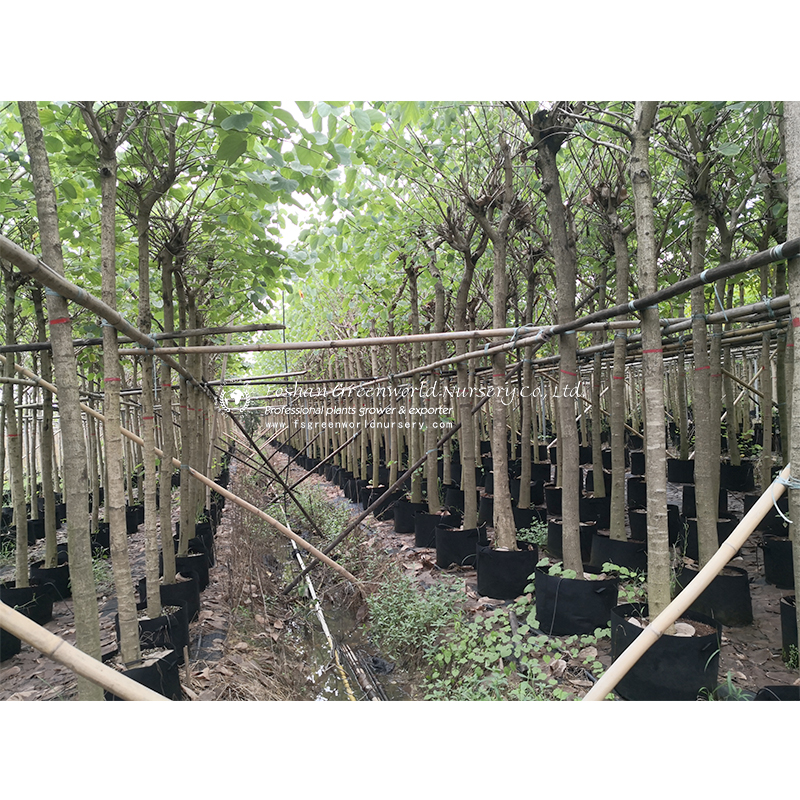
Sago palms have long captivated gardeners, landscapers, and plant enthusiasts with their striking appearance and versatile use in landscape design. Known scientifically as part of the cycad family, sago palms are not true palms but ancient plants that have thrived for millions of years. Their hardy nature, unique texture, and ornamental appeal make them a popular choice across various climates and urban settings.
In recent years, the use of sago palms has expanded beyond traditional gardens into elaborate urban landscaping projects and indoor decorative schemes. This trend continues to gain momentum, especially as city planners and homeowners seek resilient plant species that require minimal care yet provide maximal visual impact.
### Diverse Sago Palm Types and Characteristics
There are several varieties of sago palms, each with unique traits that suit different landscaping needs:
- **Cycas revoluta**: The most commonly cultivated sago palm, known for its symmetrical crown of dark green, feather-like leaves. It's a slow-growing species, but its stately presence adds elegance to gardens and courtyards.
- **Cycas circinalis**: Often referred to as the queen sago, it is generally larger and has a fluffier leaf arrangement compared to Cycas revoluta. This type is ideal for larger outdoor spaces thanks to its expansive growth habit.
- **Hybrid varieties**: Recently, horticulturists have developed hybrids that combine the best traits of different cycads, enhancing disease resistance and improving aesthetic features such as leaf coloration and texture.
Sago palms thrive well in well-drained soils and tolerate drought and poor soil conditions, which is why they are favored in regions with harsh weather conditions. Additionally, their slow growth rate means they require infrequent pruning, making maintenance manageable for both amateur gardeners and professional landscapers.
### Integration with Other Ornamental and Shade Trees
To complement the sago palm’s distinctive shape and texture, landscapers often incorporate a variety of ornamental and shade trees in their designs. These include species well-known for their grandeur, seasonal color, and ecological benefits. Among them:
- **Lagerstroemia indica (Crape Myrtle)**: Known for its vibrant summer flowers and striking bark, this tree adds season-long interest and supports pollinators.
- **Delonix regia (Royal Poinciana)**: Famous for its flamboyant orange-red flowers, it provides excellent shade and enhances tropical-themed landscapes.
- **Hibiscus tiliaceus (Beach Hibiscus)**: With its large green leaves and hibiscus flowers, it thrives in coastal environments and offers a lush, tropical feel.
- **Pongamia pinnata (Indian Beech)**: Valued for nitrogen fixation in soil, this tree improves soil fertility while providing a dense canopy.
- **Albizia saman (Rain Tree)**: Renowned for its expansive canopy and rapid growth, it creates ample shade in parks and large gardens.
- **Millingtonia hortensis (Indian Cork Tree)**: Known for its fragrant white flowers, it adds aroma and visual appeal to urban green spaces.
- **Ficus nitida and Ficus religiosa (Sacred Fig Tree)**: Symbolic in many cultures, these fig species combine spiritual significance with environmental benefits such as air purification.
- **Peltophorum**: Providing bright yellow flowers, this tree is a favorite for creating lively street landscapes.
- **Magnolia grandiflora**: With large, fragrant white flowers and glossy dark leaves, the magnolia is an evergreen that brings elegance to any garden.
- **Photinia serrulata**: A popular hedge plant due to its red young foliage and white blossoms.
- **Cinnamomum camphora (Camphor Tree)**: Known for aromatic foliage that also offers substantial shade.
- **Prunus yedoensis (Yoshino Cherry)**: Famous for its spectacular spring blossoms, perfect for creating seasonal highlights.
- **Trachycarpus fortunei (Windmill Palm)**: An additional palm species that complements the sago palm with its fan-like fronds.
- **Tecoma stans**: Adds vibrant yellow blooms, often used to brighten up fences and boundaries.
- **Wodyetia bifurcata (Foxtail Palm)**: Another palm with soft, flowing fronds that contrast well with the sago palm’s stiffer leaves.
- **Sea Grape Plant (Coccoloba uvifera)**: Thrives in coastal conditions, offering rounded leaves and edible fruits.
- **Ficus racemosa (Cluster Fig Tree)**: Provides dense shade and edible fig clusters, supporting local wildlife.
### The Role of Sago Palms and Associated Species in Urban Ecology
Urban ecology benefits significantly from the thoughtful inclusion of plants like sago palms and the aforementioned tree species. Their presence improves air quality by absorbing pollutants and releasing oxygen. They mitigate the urban heat island effect by providing shade and cooling through transpiration. Additionally, many of these plants support biodiversity by offering habitat and food sources for birds, insects, and other wildlife.
Sago palms, in particular, are valuable for low-maintenance landscaping in cities because of their resilience against pests and diseases. Their slow growth reduces the need for frequent replacement and reduces debris-related maintenance.
### Landscaping Innovations and Sustainable Practices
Modern landscaping integrates sustainability by combining native and adaptive species with ornamental plants. The inclusion of sago palms alongside trees like Pongamia pinnata and Albizia saman—both capable of nitrogen fixation—illustrates a commitment to improving soil health and reducing the need for chemical fertilizers.
Moreover, combining evergreen species such as Magnolia grandiflora with deciduous trees like Prunus yedoensis ensures year-round visual interest and microclimate benefits. The use of palms such as Trachycarpus fortunei and Wodyetia bifurcata adds a tropical flair without sacrificing cold hardiness.
Water conservation is another critical aspect influencing plant choice. With many cities facing water scarcity, drought-resistant plants like sago palms and Sea Grape plants provide an eco-friendly solution to maintaining lush greenery with minimal irrigation.
### Conclusion
The captivating appeal and practicality of sago palms have secured their place in modern landscaping practices. Paired with a diverse selection of ornamental and shade trees, they contribute to creating aesthetically pleasing, ecologically balanced, and sustainable urban greenspaces. As urban areas continue to expand, the thoughtful integration of such plant species will play a vital role in enhancing quality of life, supporting biodiversity, and maintaining environmental health.
By focusing on the functional and ornamental strengths of sago palms alongside companion species like Lagerstroemia indica, Delonix regia, Albizia saman, and Ficus religiosa, landscapers can design spaces that are not just beautiful but also resilient and beneficial to both humans and nature alike.