
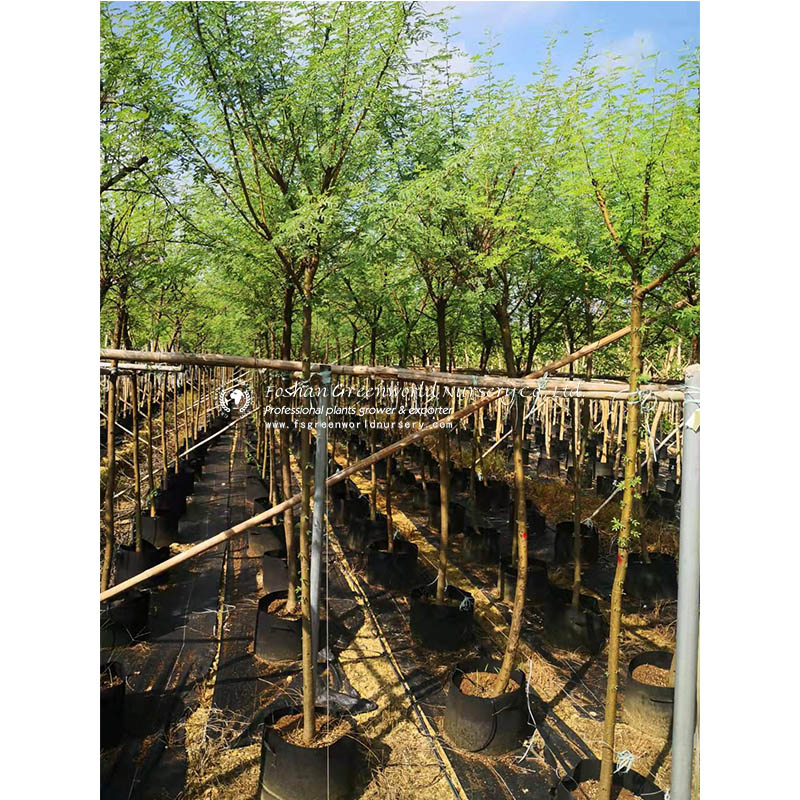
In recent years, urban landscaping and gardening enthusiasts have increasingly sought plants that not only enhance aesthetic appeal but also contribute to environmental sustainability and biodiversity. Among such plants, the Cycas Revoluta, a unique and striking species, has emerged as a popular choice for both home gardens and larger landscaping projects. Combining Cycas Revoluta with an impressive variety of trees such as Lagerstroemia Indica, Delonix Regia, Hibiscus Tiliaceus, and many others, offers an exciting palette for landscape architects and garden lovers seeking to create green spaces that are as beautiful as they are functional.
### Cycas Revoluta: A Timeless Icon in Landscaping
Cycas Revoluta, commonly known as the sago palm, is a slow-growing evergreen plant that has been celebrated for its lush, symmetrical fronds and rugged trunk. Despite not being a true palm, its palm-like appearance and hardy nature make it an attractive centerpiece in garden spaces. It thrives well in well-drained soils and can tolerate both full sun and partial shade, making it adaptable to various environments.
Its architectural foliage adds an exotic touch, often used in modern landscaping designs to provide a tropical feel without demanding high maintenance. Cycas Revoluta is also valuable as a potted plant, ideal for patios, balconies, and indoor spaces with sufficient light, augmenting greenery in urban zones.
### Diverse Tree Species Boosting Urban Greenery
When paired with Cycas Revoluta, a comprehensive list of ornamental and shade trees ensures a harmonious and sustainable landscape solution. Below is an overview of the key species that complement this plant, each possessing unique traits suited for various landscaping needs.
- **Lagerstroemia Indica (Crape Myrtle):** Known for its vibrant summer blooms and attractive peeling bark, this deciduous tree brings color and texture to landscapes and is perfect for streets, parks, and residential gardens.
- **Delonix Regia (Flamboyant Tree):** Recognizable by its fiery red flowers and expansive canopy, it provides excellent shade while adding dramatic splashes of color.
- **Hibiscus Tiliaceus (Sea Hibiscus):** A coastal tree tolerant to saline conditions, important for beach and waterfront restorations, also featuring large, bright blooms.
- **Pongamia Pinnata:** Valued for nitrogen fixation and its ability to improve soil fertility, this tree plays an ecological role while offering aesthetic benefits with its fragrant flowers.
- **Albizia Saman (Rain Tree):** Known for its wide spreading canopy and rapid growth, it creates generous shade and is often planted in parks and along roadsides.
- **Millingtonia Hortensis:** Often called the Indian cork tree, its fragrant white flowers bloom at night and fill the surroundings with a captivating scent.
- **Ficus Nitida:** A popular choice for bonsai as well as large shade trees, its dense foliage offers privacy and cooling effects in urban environments.
- **Peltophorum:** With striking yellow flowers and a moderately fast growth rate, this tree brightens landscapes during blooming season.
- **Ginkgo Biloba:** A living fossil species, it is grown not only for its fan-shaped leaves and autumnal colors but also for its resilience to pollution, making it ideal for urban planting.
- **Magnolia Grandiflora:** Known for its glossy leaves and large fragrant white flowers, this evergreen adds elegance to garden spaces.
- **Photinia Serrulata:** With vivid red young leaves turning to rich green, it is widely used as hedges or ornamental trees.
- **Cinnamomum Camphora (Camphor Tree):** Famous for its shiny leaves and camphor aroma, it is a robust tree suitable for shade.
- **Prunus Yedoensis (Yoshino Cherry):** Celebrated for its delicate pink blossoms, it creates breathtaking displays in springtime.
- **Trachycarpus Fortunei (Windmill Palm):** Adds verticality and a tropical flair to gardens, tolerant of cooler climates compared to other palms.
- **Tecoma Stans:** This shrub or small tree bears bright yellow trumpet-shaped flowers, attracting pollinators.
- **Wodyetia Bifurcata (Foxtail Palm):** Known for its feathery fronds resembling a fox’s tail, a visually striking specimen palm.
- **Sea Grape Plant (Coccoloba uvifera):** Ideal for coastal areas, producing grape-like clusters and providing soil stabilization.
- **Ficus Religiosa (Sacred Fig) & Ficus Racemosa:** Both species hold significant cultural and ecological importance, offering shade and habitat for wildlife.
### Synergizing for Sustainable and Scenic Landscapes
This diverse collection of plants provides multifaceted benefits. Firstly, incorporating Cycas Revoluta as a focal point adds architectural interest and a tropical vibe. Surrounding it with flowering trees like Lagerstroemia Indica, Delonix Regia, and Hibiscus Tiliaceus creates a year-round palette of blossoms while offering shade and shelter. Moreover, trees such as Pongamia Pinnata contribute to soil health through nitrogen fixation, improving ecosystem resilience.
The inclusion of both evergreen and deciduous species supports biodiversity by offering varied habitats and food sources for birds, insects, and other wildlife. Urban planners and horticulturists can utilize this diversity to design parks, streetscapes, and residential areas that balance aesthetics with environmental stewardship.
### Practical Applications and Benefits
- **Urban Heat Island Mitigation:** The shade provided by Albizia Saman, Ficus Nitida, and Delonix Regia helps reduce urban temperature, improving comfort and reducing energy consumption for cooling.
- **Air Quality Improvement:** Species like Ginkgo Biloba and Cinnamomum Camphora are known for filtering air pollutants.
- **Soil Stabilization:** Coastal species such as Hibiscus Tiliaceus and Sea Grape Plant prevent erosion and protect shorelines.
- **Biodiversity Support:** Flowering trees attract pollinators such as bees and butterflies, vital for ecological balance.
- **Cultural and Aesthetic Enhancement:** Trees like Ficus Religiosa symbolize cultural heritage, enriching public spaces.
### Conclusion
Integrating Cycas Revoluta with a richly varied assortment of ornamental and shade trees represents an innovative and sustainable approach to landscaping. This blend of species not only enriches the visual and sensory experience of green spaces but also brings ecological, environmental, and cultural advantages. As cities and communities increasingly prioritize green infrastructure, such carefully curated plant combinations are essential to building resilient, attractive, and healthy environments for current and future generations.