
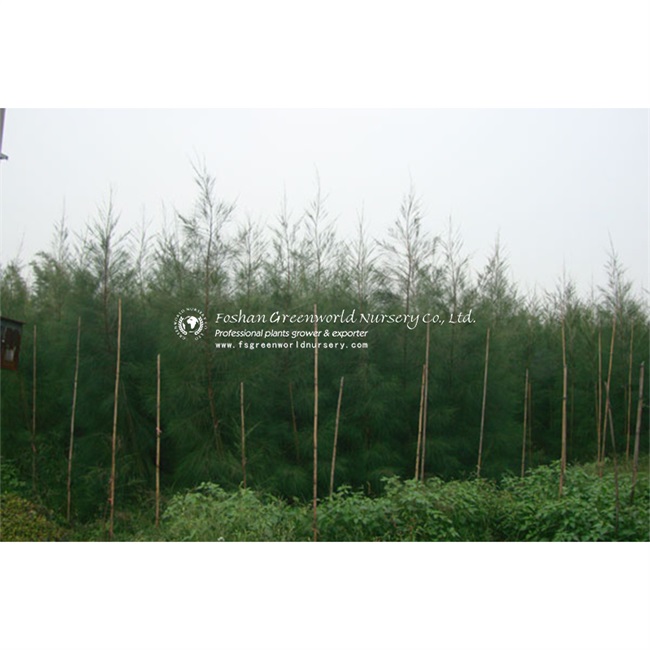
In the vibrant world of horticulture, the Common Crape Myrtle (Lagerstroemia indica) stands out as a beloved ornamental tree celebrated for its striking summer blooms, versatile adaptability, and ease of cultivation. This species, alongside a diverse range of other ornamental plants including Delonix regia, Hibiscus tiliaceus, Ficus nitida, and Magnolia grandiflora, plays a significant role in urban landscaping, ecological balance, and cultural symbolism across the globe. Today, we delve into the distinctive characteristics of Common Crape Myrtle and explore the broader landscape of ornamental plants that enhance our natural and built environments.
### The Charm of Common Crape Myrtle
Common Crape Myrtle, botanically known as *Lagerstroemia indica*, is renowned for its vibrant, crinkled flowers which create a spectacular display in shades of pink, purple, red, and white. Native to parts of Asia, particularly China and Korea, this deciduous tree has become a staple in gardens and urban spaces due to its long blooming period, often lasting from midsummer through early fall. The attractive, peeling bark and drought tolerance further add to its ornamental value, making it suitable for a variety of climates and soil conditions.
Environmentally, the Common Crape Myrtle supports local biodiversity by providing nectar for pollinators such as bees and butterflies. Its dense foliage offers shelter for birds and other small wildlife, making it a small but significant ecosystem within urban settings.
### An Array of Ornamental Plants: Diversity and Function
While the Common Crape Myrtle dazzles with color, it is only one among many iconic ornamental plants that contribute to horticultural diversity and environmental quality.
- **Delonix regia (Flamboyant Tree):** Known for its flamboyant red flowers and spreading canopy, this tropical tree provides much-needed shade and adds a splash of fiery color to streetscapes and parks, especially in warm climates.
- **Hibiscus tiliaceus (Sea Hibiscus):** Valued for its large heart-shaped leaves and yellow flowers that turn orange-red, this coastal species thrives in saline environments and helps mitigate coastal erosion.
- **Pongamia pinnata (Indian Beech):** A hardy tree used in reforestation, known for its fragrant flowers and seeds that produce oil with multiple uses.
- **Albizia saman (Rain Tree):** Recognizable for its umbrella-shaped canopy, this species offers ample shade and is popular in tropical and subtropical landscapes.
- **Millingtonia hortensis (Indian Cork Tree):** With fragrant white blossoms, this fast-growing tree is admired for its ornamental and medicinal properties.
- **Ficus Species (Ficus nitida, Ficus religiosa, Ficus racemosa):** Ficus species hold cultural as well as ecological significance, with dense canopies that provide shade and sustain numerous wildlife species. The Sacred Fig (Ficus religiosa), in particular, has religious importance in several cultures.
- **Peltophorum:** A genus of flowering trees whose bright yellow flowers add brilliant color to urban landscapes.
- **Ginkgo biloba:** Known as a living fossil, Ginkgo offers unique fan-shaped leaves and exceptional tolerance to pollution, making it a favored urban street tree.
- **Magnolia grandiflora:** With its large, fragrant white flowers and glossy leaves, this evergreen tree enhances gardens with its stately presence.
- **Photinia serrulata:** Often used as hedges or screening plants, Photinia species provide year-round greenery and seasonal red foliage.
- **Cinnamomum camphora (Camphor Tree):** Valued for its aromatic leaves, this large shade tree is commonly planted in parks and streets.
- **Prunus yedoensis (Yoshino Cherry):** Famous for its delicate spring blossoms, it is a symbol of renewal and beauty in many cultures.
- **Trachycarpus fortunei (Windmill Palm):** A cold-hardy palm adding tropical flair to temperate gardens.
- **Tecoma stans:** Known for bright yellow trumpet-shaped flowers, attracting hummingbirds and pollinators.
- **Wodyetia bifurcata (Foxtail Palm):** An elegant palm tree prized for its feathery fronds.
- **Sea Grape Plant:** Commonly used in coastal landscaping to stabilize sand dunes and provide edible fruit.
### The Role of Ornamental Trees and Plants in Urban Planning
Ornamental plants are more than aesthetic additions; they are vital components of sustainable urban planning. Trees like Common Crape Myrtle and Ginkgo biloba improve air quality by absorbing pollutants, reduce urban heat island effects through shading, and enhance mental well-being by connecting city dwellers with nature.
Moreover, diverse plantings reduce the risks associated with monocultures such as pest outbreaks and environmental stress. Including species with different flowering times, growth habits, and ecological functions promotes resilience within urban green spaces.
### Cultivation and Care Tips for Common Crape Myrtle
For gardeners and landscapers considering the Common Crape Myrtle, successful cultivation involves:
- **Sunlight:** It thrives in full sun, requiring at least six hours of direct sunlight daily.
- **Soil:** Prefers well-drained soils, tolerant of a range of pH levels.
- **Watering:** Requires moderate watering during establishment; once mature, it tolerates some drought.
- **Pruning:** Annual pruning in late winter encourages healthy growth and abundant flowering.
- **Pest Management:** Generally pest-resistant, though attention to aphids and powdery mildew is recommended.
### Conclusion
The Common Crape Myrtle, complemented by an impressive roster of ornamental trees and plants such as Delonix regia, Ficus species, and Magnolia grandiflora, exemplifies the richness and significance of botanical diversity in landscaping. These plants not only enrich our visual environment but also serve critical ecological, cultural, and social functions. As urban areas continue to expand, the thoughtful integration of such species into green spaces will be essential for fostering healthier, more vibrant communities.
Whether you are a homeowner, city planner, or botanical enthusiast, appreciating and leveraging the unique qualities of these trees can transform our surroundings into flourishing havens of biodiversity and beauty.