
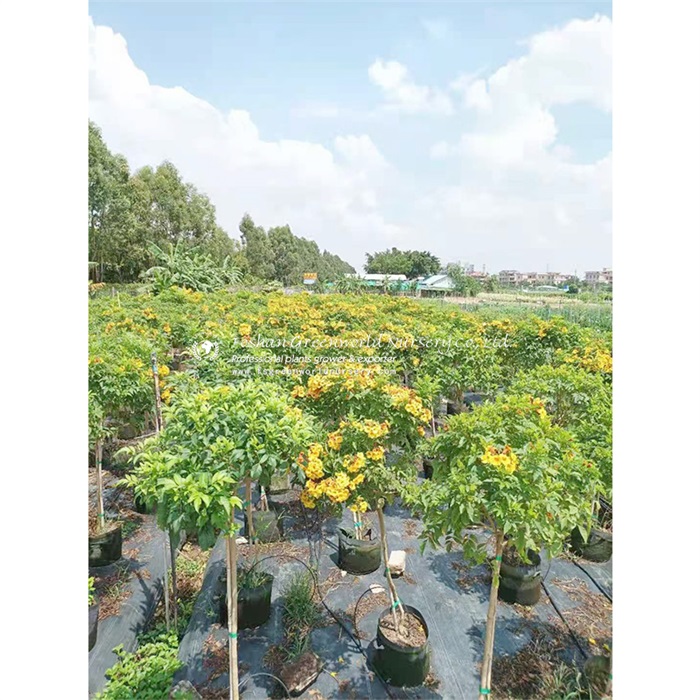
In recent years, the importance of greenery in urban development has become increasingly evident. Urban planners and environmentalists alike emphasize the role of trees and plants not only in beautifying cityscapes but also in improving air quality, providing shade, and supporting biodiversity. Among the various species gaining attention for their adaptability and aesthetic appeal is the Coastal Hibiscus Tree—a resilient and stunning plant that thrives in coastal and subtropical climates.
The Coastal Hibiscus Tree, known for its vibrant flowers and hardy nature, has become a favored choice in urban landscaping projects. Its lush foliage and striking blossoms create an inviting atmosphere in parks, along boulevards, and within residential areas. What makes this tree particularly valuable is its ability to withstand harsh coastal conditions like salty air and sandy soil, making it an ideal candidate for cities located near the sea.
### Adaptability and Environmental Benefits
One of the primary reasons for the increased use of the Coastal Hibiscus Tree in landscaping is its remarkable adaptability. It flourishes in environments where other plants might struggle, including areas with poor soil drainage and exposure to ocean winds. This trait makes the tree exceptional for planting in urban coastal zones, where environmental stresses can limit vegetation options.
Beyond its resilience, the Coastal Hibiscus Tree contributes significantly to urban ecosystems. Its flowers attract pollinators such as bees and butterflies, supporting local biodiversity. Additionally, the tree helps mitigate urban heat by providing ample shade, lowering temperatures during hot summer months. Its dense canopy also reduces noise pollution by acting as a natural sound barrier, enhancing the comfort of city dwellers.
### Integration within Urban Greening Initiatives
The use of the Coastal Hibiscus Tree fits seamlessly within broader urban greening initiatives that promote the integration of diverse plant species to create sustainable and attractive environments. In addition to the Coastal Hibiscus, a variety of other trees and plants are being employed to meet the multifunctional demands of urban landscapes.
Some notable species include:
- **Lagerstroemia indica (Crape Myrtle):** Appreciated for its long-lasting flowers and attractive bark, this tree adds year-round interest to city parks.
- **Delonix regia (Flamboyant Tree):** Known for its fiery red flowers and broad canopy, it offers extensive shade in public spaces.
- **Hibiscus tiliaceus (Sea Hibiscus):** Similar to the Coastal Hibiscus, this species thrives in coastal environments and adds lush greenery.
- **Pongamia pinnata (Indian Beech):** Valued for its nitrogen-fixing ability, it helps improve soil fertility.
- **Albizia saman (Rain Tree):** Renowned for its expansive umbrella-like canopy, ideal for shading large areas.
- **Millingtonia hortensis (Indian Cork Tree):** Its fragrant flowers and tall stature offer aesthetic and environmental benefits.
- **Ficus species such as Ficus nitida, Ficus religiosa (Sacred Fig), and Ficus racemosa:** These provide shade and are culturally significant in many communities.
- **Peltophorum, Ginkgo biloba, Magnolia grandiflora, Photinia serrulata, and Cinnamomum camphora (Camphor Tree):** These species introduce a variety of textures, colors, and aromas that enhance urban greenery.
- **Prunus yedoensis (Cherry Blossom):** Celebrated for seasonal blossoms that attract visitors and boost community wellbeing.
- **Trachycarpus fortunei (Windmill Palm) and Wodyetia bifurcata (Foxtail Palm):** Palms add a tropical feel and are suited to warmer climates.
- **Sea Grape Plant:** Providing ornamental value with its unique grape-like fruit clusters.
### The Role of Biodiversity in Urban Environments
Incorporating a diverse selection of tree and plant species into city planning offers resilience against pests, diseases, and changing climate patterns. The Coastal Hibiscus Tree, combined with other species listed, supports this ecological balance. Such biodiversity ensures that if one species is threatened, others continue to maintain the health and beauty of the urban environment.
Moreover, the varied species cater to different ecological niches—some improve soil quality, others offer food sources for wildlife, while many enhance the visual landscape. Trees like Ginkgo biloba and Magnolia grandiflora add historic and botanical interest, often serving as a reminder of a city’s commitment to conservation and cultural heritage.
### Community Involvement and Environmental Awareness
Efforts to plant and nurture these varieties often involve community participation, fostering environmental awareness and stewardship. Local governments and environmental organizations collaborate to educate the public on the benefits of urban greenery, encouraging residents to appreciate and protect the trees around them. Schools and community groups may participate in planting projects featuring the Coastal Hibiscus and other species, promoting hands-on learning and a sense of ownership.
### Challenges and Future Directions
Despite the undeniable benefits of green urban spaces, challenges remain. Urban areas face space constraints, pollution, and competing developmental priorities. Selecting the right mix of species—like the Coastal Hibiscus Tree and its companion varieties—is crucial to ensuring survival and maximum benefit. Urban planners must consider factors such as water availability, soil conditions, and maintenance requirements.
To this end, ongoing research and innovation in urban forestry practices support the continued integration of these trees into cityscapes. Advances in soil management, irrigation, and pest control contribute to healthier urban forests that can thrive amid city pressures.
### Conclusion
The Coastal Hibiscus Tree, along with an array of other carefully chosen ornamental and shade trees, represents a promising component of urban green infrastructure. These species not only beautify cities but also enrich environmental quality, promote biodiversity, and enhance community wellbeing. As cities around the world strive to become more sustainable and livable, the thoughtful incorporation of such resilient and attractive trees will be essential in shaping greener, healthier urban futures.