
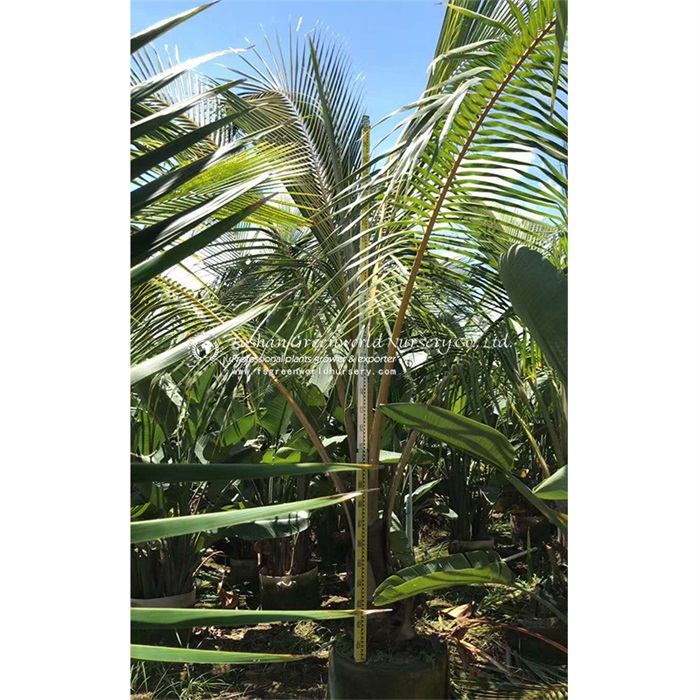
In recent years, the emphasis on urban greening and sustainable landscaping has grown significantly across the globe. Cities and communities are increasingly investing in diverse and native plant species to enhance environmental quality, promote biodiversity, and create aesthetically pleasing spaces. Among the notable species contributing to this green revolution is *Prunus Yedoensis*, a captivating flowering tree known for its stunning spring blossoms and adaptability to urban environments.
### Prunus Yedoensis: A Symbol of Spring and Renewal
*Prunus Yedoensis*, commonly referred to as Yoshino cherry, is renowned for its spectacular display of pale pink to white flowers that herald the arrival of spring. This deciduous tree not only beautifies landscapes with its delicate blooms but also provides ecological benefits such as supporting pollinators and offering shade in urban settings. Its moderate growth rate and manageable size make it highly suitable for city parks, residential gardens, and streetscapes.
The ornamental appeal of *Prunus Yedoensis* combined with its resilience in various soil types and climates has made it a popular choice among landscape architects and urban planners. The tree’s seasonal transformation—from pink and white flowers to lush green foliage and then striking autumn hues—adds dynamic visual interest throughout the year.
### A Diverse Palette of Urban Greening Species
In the broader context of urban landscaping, *Prunus Yedoensis* is one among a rich array of species employed to create multifunctional green spaces. These species not only enhance the visual appeal of urban areas but also contribute to air purification, temperature regulation, and habitat creation. A wide variety of trees and plants are being utilized, each bringing unique benefits and characteristics to the urban ecosystem.
Among notable species, *Lagerstroemia Indica* (commonly known as crepe myrtle) stands out for its vibrant summer flowers and smooth exfoliating bark. Available in numerous cultivars, *Lagerstroemia Indica* is often selected for its drought tolerance and adaptability, thriving in warm climates where it adds year-round interest.
Similarly, *Delonix Regia* or royal poinciana is appreciated for its flamboyant red-orange flowers and broad umbrella-shaped canopy, providing both shade and striking aesthetics in tropical and subtropical zones.
Other species frequently incorporated include *Hibiscus Tiliaceus Rubra*, known for its attractive red foliage and large yellow flowers, and *Pongamia Pinnata*, valued for its nitrogen-fixing properties and ability to improve soil fertility.
Trees like *Albizia Saman* (rain tree) offer expansive canopies that support urban cooling and wildlife habitat, while *Millingtonia Hortensis* is appreciated for its fragrant, trumpet-shaped flowers.
### Evergreen and Shade Trees for Year-Round Greenery
Urban landscapes also benefit from a variety of evergreen and shade trees that provide constant canopy cover and air purification. Noteworthy among these are *Ficus Nitida* and *Ficus Religiosa* (sacred fig tree), which are revered not just for their ecological roles but also for their cultural and religious significance in various regions.
*Tropical species such as *Peltophorum*, *Ginkgo Biloba*, and *Magnolia Grandiflora* contribute architectural form, fragrant blooms, and impressive foliage, enhancing both private gardens and public parks.
### Ornamental and Functional Landscaping Choices
The selection of plants for urban environments increasingly focuses on combining ornamental qualities with ecological functions. Species such as *Photinia Serrulata* deliver vibrant red new growth and cluster flowers, making them excellent choices for hedges and screening.
Meanwhile, *Cinnamomum Camphora* (camphor tree) provides dense shade and a pleasant aroma, contributing to both the sensory and functional elements of green spaces.
Palm species like *Trachycarpus Fortunei* and *Wodyetia Bifurcata* add tropical flair and structural diversity, suitable for promenades, plazas, and resort landscapes.
Lively, flowering species such as *Tecoma Stans* brighten urban settings with brilliant yellow trumpet-shaped flowers, often used in roadside plantings and parks.
Other plants like *Sea Grape Plant* (Coccoloba uvifera) offer coastal adaptability and edible fruit, while *Ficus Racemosa* extends ecosystem services through its wildlife support and aesthetic appeal.
### Company’s Commitment to Urban Greening
Our company embraces the mission of promoting sustainable and diverse urban greenery by offering a comprehensive portfolio of high-quality nursery stock that includes these vital species. We recognize the intertwined benefits of ecological health, aesthetic value, and social well-being that urban green spaces provide.
With expertise in cultivating and supplying trees such as *Prunus Yedoensis*, *Lagerstroemia Indica*, *Delonix Regia*, and various other species mentioned above, we support landscape architects, municipal councils, developers, and private homeowners in realizing vibrant and resilient green environments.
We employ advanced horticultural techniques to ensure plants are healthy, well-adapted, and ready to thrive post-transplant. Additionally, we provide guidance on plant selection and care tailored to specific climate conditions and site requirements, fostering long-term success and sustainability.
### Moving Forward: The Future of Urban Landscaping
The integration of diverse tree species including *Prunus Yedoensis* into urban landscapes fosters not only beauty but also resilience in the face of climate change and urbanization pressures. As cities expand, green infrastructure becomes indispensable for enhancing air quality, mitigating urban heat islands, and improving mental and physical health for residents.
Our company remains committed to advancing urban greening initiatives through continuous innovation, environmental stewardship, and collaboration with stakeholders. By championing species diversity including flowering cherries, evergreens, shade trees, and tropical ornamentals, we contribute to building healthier, more livable cities.
### Conclusion
The use of *Prunus Yedoensis*, together with a diverse selection of complementary tree species like *Lagerstroemia Indica*, *Delonix Regia*, and *Ficus Nitida*, exemplifies the rich possibilities in urban landscaping for creating spaces that are visually stunning and ecologically robust. Our company’s comprehensive plant portfolio and dedication to quality equip urban planners and gardeners alike with the tools to craft thriving green environments that enrich communities and ecosystems alike.
As urban populations continue to grow, the role of diversified and sustainable plantings grows ever more critical, ensuring that cities remain vibrant, healthy, and beautiful places to live.