
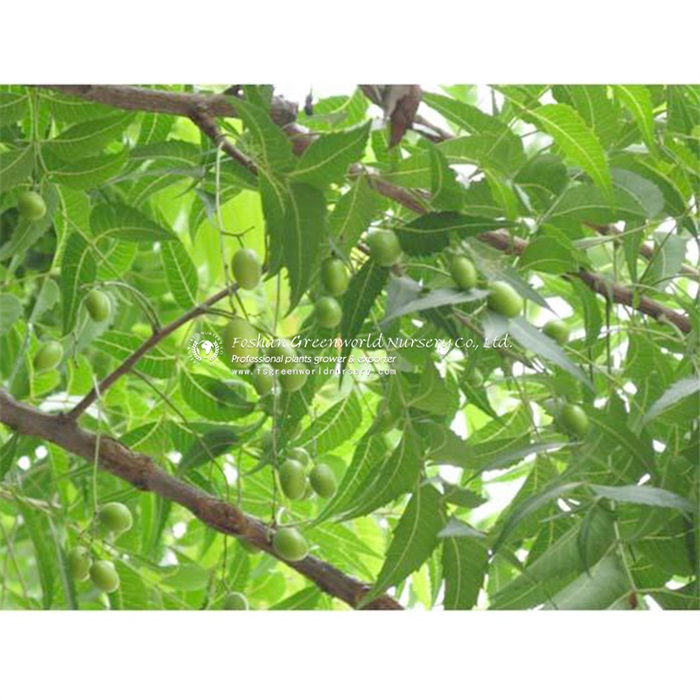
In recent years, urban afforestation and greening initiatives have gained unprecedented momentum globally, driven by the urgent need to combat climate change, improve air quality, and enhance the overall urban living environment. Focusing on the diversity and selection of tree species is a critical component of these efforts. A wide range of native and ornamental trees are being integrated into city landscapes, parks, streets, and community spaces to create resilient, biodiverse urban ecosystems.
One notable species contributing to these urban greening practices is the Pippala tree. Known for its ecological and cultural significance, this tree plays an essential role in sustaining urban biodiversity and providing shade and greenery in densely populated spaces. Along with Pippala, a variety of other species like Lagerstroemia indica, Delonix regia, Hibiscus tiliaceus, Pongamia pinnata, Albizia saman, and Ficus nitida have been increasingly incorporated due to their adaptability, aesthetic appeal, and environmental benefits.
**Diverse Tree Species for Urban Environments**
The selection of tree species for urban planting depends on several factors including their ability to thrive in local climatic conditions, growth rate, canopy coverage, root structure, and maintenance requirements. For example, Lagerstroemia indica, commonly known as crepe myrtle, is favored for its vibrant floral display and tolerance to urban pollution. It blooms profusely during the warmer months, providing color and attracting pollinators to urban spaces.
Similarly, Delonix regia, or flame tree, is renowned for its fiery red-orange flowers and broad canopy, offering ample shade and contributing significantly to the microclimatic cooling of cities. This species also enriches the soil through its leaf litter, supporting various soil microorganisms.
Trees like Hibiscus tiliaceus and Pongamia pinnata serve multiple purposes beyond aesthetics. Hibiscus tiliaceus, with its large heart-shaped leaves and resilience to saline environments, is suitable for coastal urban areas, while Pongamia pinnata, known for nitrogen fixation, improves soil fertility, making it a sustainable choice for degraded urban soils.
Albizia saman, often called the rain tree, forms a dense umbrella-shaped canopy that provides extensive shade, vital for reducing heat islands in metropolitan areas. Moreover, its rapid growth and ability to improve soil nitrogen content make it a preferred species in reforestation efforts.
Ficus nitida, with its dense foliage and air-purifying qualities, is another tree widely used in urban landscaping. This species supports urban wildlife by providing food and habitat for birds and insects, fostering urban biodiversity.
**Integrating Biodiverse Plantings for Sustainable Urban Landscapes**
In addition to the aforementioned species, other trees such as Millingtonia hortensis, Peltophorum, Ginkgo biloba, Magnolia grandiflora, and Prunus yedoensis contribute unique traits to urban green spaces. Millingtonia hortensis, with its fragrant white flowers, enhances sensory experiences in parks and gardens. Ginkgo biloba, a living fossil, combines historical significance with high resistance to pests and pollution, making it a resilient urban canopy tree.
Magnolia grandiflora and Prunus yedoensis bring seasonal interest through their showy flowers and evergreen characteristics. Magnolia adds year-round greenery and fragrance, while the cherry blossoms of Prunus yedoensis attract visitors during springtime festivals, promoting cultural appreciation and tourism within the cityscape.
The inclusion of particular palms such as Trachycarpus fortunei and Wodyetia bifurcata introduces exotic appeal and vertical dimension to landscapes, avoiding monotony in planting designs. Tecoma stans, with bright yellow flowers, provides seasonal vibrancy and nectar for pollinators, while the sea grape plant adapts well to coastal urban settings, stabilizing soil and adding lush foliage.
Sacred fig (Ficus religiosa) and Ficus racemosa are integral to urban forests due to their spiritual and cultural importance in many communities. Their extensive canopy and longevity make them pillars of green urban heritage. In bonsai form, they also serve educational and artistic purposes, fostering a connection between people and nature even in limited spaces.
**Ecological and Societal Benefits**
The integration of this diverse array of species brings multiple ecological benefits including carbon sequestration, air pollution mitigation, microclimate regulation, and habitat provision for urban fauna. Through photosynthesis, these trees absorb greenhouse gases, thereby contributing to the reduction of the urban carbon footprint.
Moreover, increased canopy cover reduces surface temperatures by providing shade and evapotranspiration cooling. This effect is crucial for counteracting urban heat islands, which are areas with significantly higher temperatures than their rural surroundings, primarily due to concrete and asphalt surfaces.
Socially, urban trees improve the quality of life by reducing noise pollution, enhancing aesthetic appeal, and offering recreational spaces. Trees such as the Pippala and sacred figs hold religious and cultural symbolism, fostering community identity and well-being.
**Challenges and Future Directions**
Despite the clear benefits, urban afforestation faces challenges such as limited space, soil compaction, pollution, and the impact of climate change that threatens the survival of some species. Selecting resilient species adaptable to changing climatic patterns is becoming increasingly important.
Maintenance practices including regular pruning, pest management, and monitoring soil health contribute to the long-term success of urban trees. Community participation and awareness programs encourage stewardship and appreciation for urban greenery.
Collaboration between municipal bodies, environmental organizations, and urban planners is vital to implement strategic planting programs that maximize biodiversity and ecosystem services. Utilizing native species along with well-adapted ornamental trees ensures ecological compatibility and sustainability.
**Conclusion**
The adoption of diverse tree species such as Pippala, Lagerstroemia indica, Delonix regia, Hibiscus tiliaceus, Pongamia pinnata, Albizia saman, and many others exemplifies a holistic approach toward creating resilient, vibrant, and sustainable urban forests. These trees not only improve environmental quality but also enrich cultural and social dimensions of urban life. As cities continue to expand, integrating such green assets into urban planning will be crucial to fostering healthier and more livable communities for generations to come.