
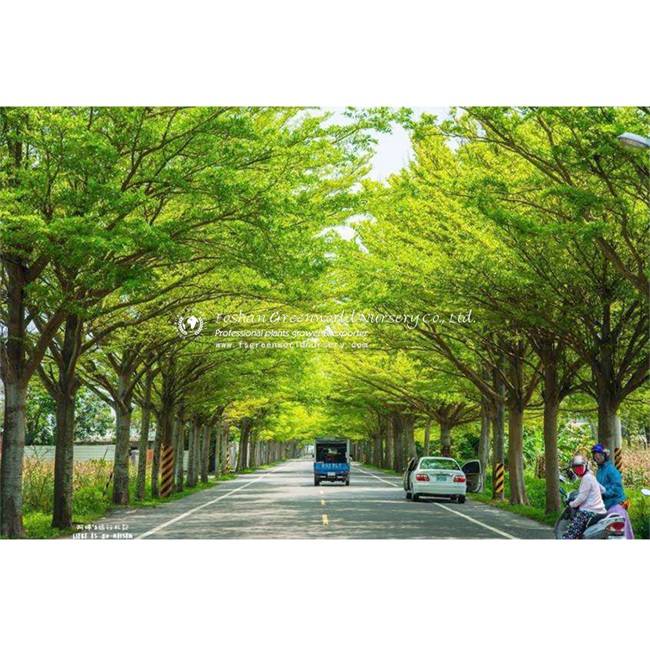
In recent times, the significance of diverse plant species in ecological sustainability, urban landscaping, and environmental conservation has gained remarkable attention. Among these, *Millettia pinnata* stands out as an extraordinary species, offering numerous ecological, economic, and environmental benefits. Coupled with an introduction to other remarkable species such as *Lagerstroemia indica*, *Delonix regia*, and *Albizia saman*, this article delves into the distinctive roles that these plants play in shaping greener, healthier environments worldwide.
### The Identity and Characteristics of Millettia pinnata
*Millettia pinnata*, also known as *Pongamia pinnata*, is a fast-growing, medium-sized leguminous tree native to South and Southeast Asia. It thrives in tropical and subtropical regions and is highly adaptable to a wide range of soil types, making it an ideal choice for reforestation and afforestation programs, particularly in degraded or arid lands. Its ability to fix atmospheric nitrogen enriches soil fertility and supports surrounding flora, demonstrating its importance in sustainable agriculture and ecosystem restoration.
One of the key attributes of *Millettia pinnata* is its multifunctional utility. The tree is widely recognized for its seeds, from which oil is extracted and utilized as a raw material for biodiesel production—offering a renewable energy source that aids in reducing dependence on fossil fuels. The oil's non-edible nature eliminates competition with food crops, thereby presenting an eco-friendly option in bioenergy industries.
In addition, the timber of *Millettia pinnata* is resistant to termites and is employed in furniture making and construction. The tree is also valued for its medicinal properties in traditional healthcare systems, underlining its cultural and economic relevance in native communities.
### Broadening Perspectives: A Showcase of Diverse Plant Species
Alongside *Millettia pinnata*, many other plants contribute substantially to the environment and human well-being. Each species brings unique features and benefits, enhancing biodiversity and urban greenery.
- **Lagerstroemia indica**: Often known as crape myrtle, this flowering tree is celebrated for its spectacular blooms that bring vibrant colors to gardens and urban streetscapes during the summer months. Its drought tolerance and resilience to pests make it a favorite for low-maintenance beautification projects.
- **Delonix regia**: Popularly termed the flame tree or royal poinciana, its flamboyant red-orange flowers provide shade and aesthetic charm in tropical urban settings. Its fast growth and expansive canopy are instrumental in combatting urban heat islands.
- **Hibiscus tiliaceus and Hibiscus tiliaceus rubra**: These species are notable for their heart-shaped leaves and striking flowers. The coastal adaptability of *Hibiscus tiliaceus* allows it to stabilize shorelines by preventing erosion, thus playing a vital role in protecting marine ecosystems.
- **Albizia saman (Rain tree)**: Famous for its umbrella-shaped canopy, the rain tree offers vast shade, making it invaluable for parks and large outdoor areas. Its nitrogen-fixing properties support nutrient cycling in ecosystems.
- **Millingtonia hortensis**: Known as the Indian cork tree, it features fragrant white flowers that attract pollinators. The soft, lightweight wood serves local industries for crafting and paper production.
- **Ficus species (Ficus nitida, Ficus religiosa, Ficus racemosa)**: These fig trees are often central to cultural practices and biodiversity hotspots. Their complex root structures stabilize soil, and their fruits provide food for myriad wildlife species.
- **Peltophorum, Ginkgo biloba, Magnolia grandiflora, and Photinia serrulata**: These species are often integrated into urban planning for their ornamental value, shade provision, and air-purifying qualities.
- **Cinnamomum camphora**: The camphor tree is prized for its aromatic oil and wide canopy, commonly planted as an avenue tree or in parks.
- **Prunus yedoensis (Yoshino cherry)**: Famous for its breathtaking spring blossoms, this tree promotes tourism and community well-being through festivals and nature appreciation.
- **Trachycarpus fortunei**: Also known as the windmill palm, it adds a tropical flair to temperate landscapes and is resistant to cold, broadening its usage.
- **Tecoma stans**: This shrub produces bright yellow flowers and serves as a pollinator magnet in wildlife gardens.
- **Wodyetia bifurcata**: Known as the foxtail palm, it's favored for its elegant foliage and use in luxury landscaping.
- **Sea grape plant (Coccoloba uvifera)**: Native to coastal areas, it protects beaches from erosion while providing edible fruits.
Each of these species exemplifies the profound relationship between plants and their environment, underscoring the necessity of preserving botanical diversity for ecological balance and human prosperity.
### The Interconnected Role of Plants in Urban and Rural Environments
The inclusion of *Millettia pinnata* and other species in urban greening initiatives offers multiple ecosystem services: air purification, carbon sequestration, temperature regulation, stormwater management, and habitat creation. For rural and degraded land areas, nitrogen-fixing trees like *Millettia pinnata* and *Albizia saman* improve soil health, aiding agricultural productivity.
Moreover, the aesthetic and psychological benefits of a green landscape cannot be overstated. Trees like *Delonix regia* and *Lagerstroemia indica* add vibrant colors and visual interest, enhancing quality of life for urban dwellers. Medicinal trees like *Millettia pinnata* and culturally significant species such as *Ficus religiosa* integrate traditional knowledge into modern conservation practices.
### Conclusion
The diverse array of plants including *Millettia pinnata* and others like *Lagerstroemia indica*, *Delonix regia*, and *Albizia saman*, encapsulate the invaluable contributions of flora to ecological health, renewable energy, cultural heritage, and beautification. Promoting their cultivation, protection, and sustainable use symbolizes a commitment to environmental stewardship and sustainable development.
As societies continue to face environmental challenges, harnessing the benefits of these species—through afforestation projects, urban landscaping, and rural agroforestry—is pivotal in advancing a greener, healthier planet. Understanding and appreciating the roles each plant occupies encourages a harmonious coexistence between humans and nature, critical for future generations.