
In a progressive move towards enhancing urban biodiversity and promoting sustainable green environments, several tree species have been introduced across city landscapes, reflecting a commitment to environmental stewardship and community well-being. Among these, the **Azadirachta indica** tree stands out for its ecological benefits and adaptability, playing a vital role alongside a diverse range of other species contributing to the city’s green canopy.
### Transforming Urban Spaces with Strategic Tree Selection
The introduction of species such as **Lagerstroemia indica**, commonly known as crepe myrtle, adds vibrant color and resilience to urban streets and parks. Known for its long flowering season and tolerance to heat and drought, **Lagerstroemia indica** thrives in metropolitan climates, providing shade and improving air quality. Its variant, **Lagerstroemia indica vase**, is prized for its upright growth habit and aesthetic appeal, making it a favored choice for landscaping in business districts and residential areas alike.
Equally notable is the presence of the flamboyant **Delonix regia**, renowned for its spectacular red-orange blooms that herald the onset of summer in many tropical and subtropical regions. The flamboyant tree’s spread provides ample canopy cover, offering natural cooling in pedestrian zones and recreational areas. Its striking appearance also serves as an urban landmark and supports local biodiversity by attracting pollinators.
### Enhancing Urban Biodiversity Through Varied Flora
The inclusion of flowering species such as **Hibiscus tiliaceus** and its red variant, **Hibiscus tiliaceus rubra**, bolsters the urban ecosystem by supporting native fauna. These trees provide nectar-rich flowers essential for bees and butterflies, reinforcing pollination networks which are crucial in maintaining healthy green spaces. Their robust nature and rapid growth also make them suitable for coastal plantations, where salt tolerance is paramount.
The presence of leguminous trees like **Pongamia pinnata** contributes to soil enrichment through nitrogen fixation. Known for its hardy nature, **Pongamia pinnata** also plays a significant role in agroforestry initiatives and urban green belts, promoting soil health and reducing urban heat island effects.
Large canopy species such as **Albizia saman** and **Millingtonia hortensis** are instrumental in shading large public spaces and avenues, mitigating heat and improving air quality. These broad-leaved trees support urban microclimates by fostering humidity and providing habitats for urban wildlife.
### Strategic Shade and Ornamental Value
**Ficus nitida**, commonly known as Indian laurel fig, is notable for its dense canopy and impressive root structure, often used to create green tunnels over streets and pathways. The species’ ability to thrive in polluted environments underscores its utility as a natural air purifier in dense urban settings.
Flowering and ornamental trees such as **Peltophorum** and **Magnolia grandiflora** bring diversity and seasonal interest through vibrant flowers and fragrant blooms. Their aesthetic contributions enhance the cultural and visual landscape of urban parks, increasing recreational appeal for residents.
**Ginkgo biloba**, a living fossil and symbol of resilience, enriches urban plant diversity with its unique fan-shaped leaves and exceptional tolerance to pollution, disease, and urban stressors. Its use in city planting schemes reflects a balance between heritage and ecological function.
### Supporting Urban Wildlife and Cultural Heritage
Species like **Photinia serrulata** and **Cinnamomum camphora** incorporate vibrancy and fragrance into communal green spaces, offering food sources and habitat structures for birds and insects. The camphor tree’s aromatic leaves also serve cultural and medicinal purposes, interconnecting environmental and social benefits.
The seasonal blooming of **Prunus yedoensis** fills the cityscape with delicate pink blossoms, signifying renewal and attracting visitors during festival seasons. In a similar vein, **Trachycarpus fortunei**, or the windmill palm, introduces a tropical element that complements temperate species and supports diverse urban canopy structures.
### Urban Forests as Multipurpose Green Assets
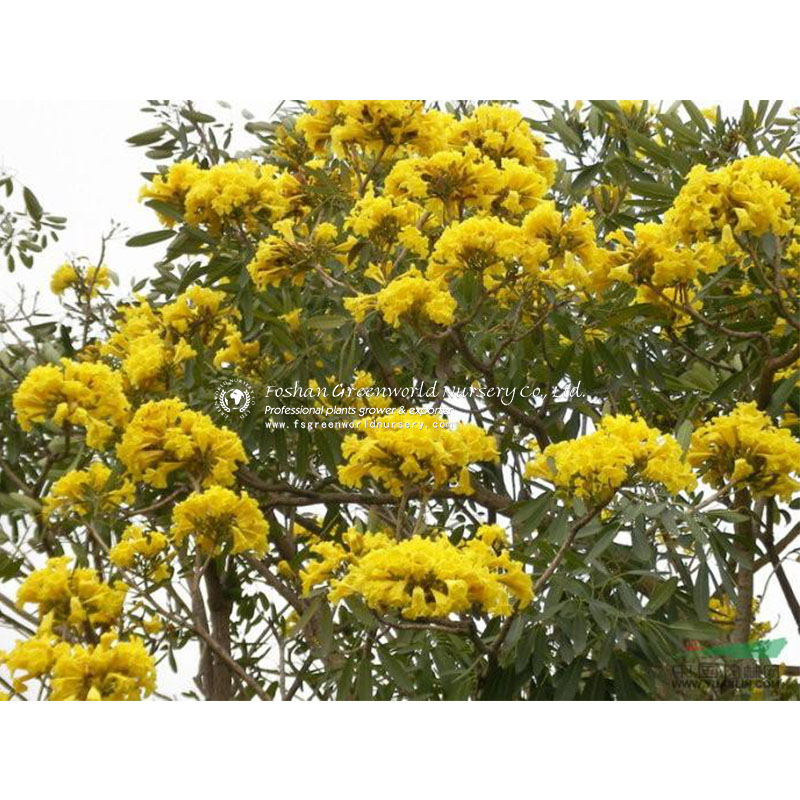
Beyond aesthetics, species such as **Tecoma stans** and **Wodyetia bifurcata**, commonly known as the foxtail palm, contribute to multifunctional urban forestry. These plants aid in erosion control, carbon sequestration, and stormwater management, further solidifying the ecological services provided by urban trees.
Legal and sacred species such as the **Ficus religiosa** (sacred fig tree) and **Ficus racemosa** embody spiritual and cultural significance, establishing heritage sites within urban areas. These trees often become focal points for community gatherings, blending environmental landscapes with social tradition.
### Commitment to Sustainable Urban Greening
The multi-species planting initiative reflects a forward-thinking approach by city planners and environmentalists to foster resilience, biodiversity, and livability within urban environments. Each tree species has been thoughtfully selected for its adaptability, ecological function, and contribution to public well-being.
This diverse selection not only beautifies neighborhoods but also combats pollution, mitigates urban heat islands, supports wildlife, and improves the physical and mental health of city inhabitants. Continuous monitoring and maintenance of these trees ensure their survival and maximize their benefits, creating a greener, healthier, and more vibrant urban future.
### Conclusion
The strategic deployment of species such as **Azadirachta indica** along with **Lagerstroemia indica**, **Delonix regia**, **Hibiscus tiliaceus**, **Pongamia pinnata**, and many others represents a holistic approach to modern urban forestry. As cities face environmental challenges and rapid urbanization, these efforts underscore the growing recognition that green spaces and tree diversity are essential components of sustainable living.
By incorporating a blend of shade-providing, ornamental, native, and cultural trees, urban landscapes transform into thriving ecosystems that nurture both people and wildlife. These green arteries not only enhance city aesthetics but also safeguard the environment for generations to come. Through this comprehensive urban greening initiative, the city reaffirms its dedication to cultivating healthier, greener, and more resilient community spaces.