
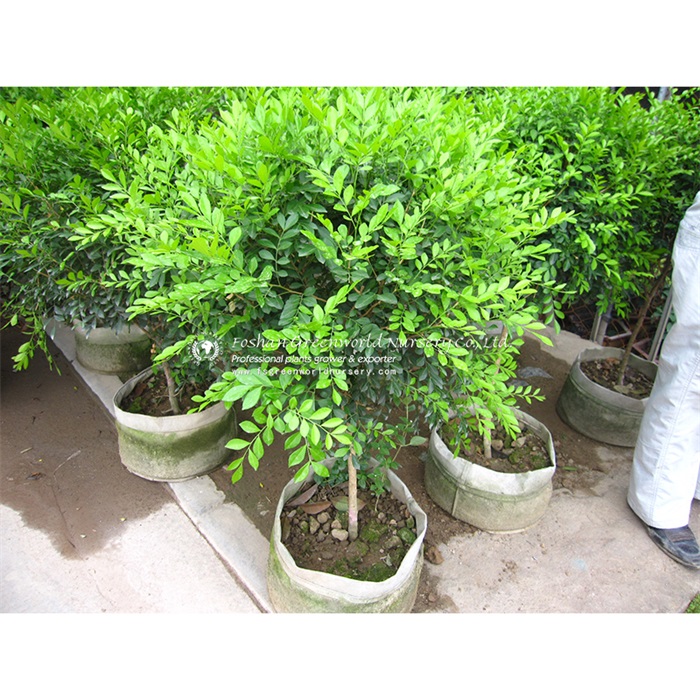
In the world of horticulture and landscaping, selecting the right plant species can transform environments, enhance aesthetics, and contribute to ecological sustainability. Among the fascinating range of plants gaining recognition is the Coccoloba plant, commonly known as the Sea Grape plant, noted for its unique characteristics and environmental benefits. Alongside this, various other species—ranging from Lagerstroemia Indica to Ficus Religiosa—play essential roles in urban greening, cultural symbolism, and biodiversity.
This article offers an insightful overview of the Coccoloba plant, its significance, and how it complements a diverse lineup of other remarkable plants commonly seen in botanical collections, parks, and private gardens.
### The Coccoloba Plant: Natural Beauty by the Coast
The Coccoloba plant, widely known as the Sea Grape, is a coastal shrub or small tree native to tropical America, including islands of the Caribbean, and extends to parts of Florida. Recognized for its broad, rounded leaves reminiscent of grapevine foliage and its distinctive grape-like clusters of fruit, this plant is favored for both ornamental and practical uses.
One of its significant attributes is its salt tolerance and robustness in sandy, saline soils, making it ideal for stabilizing coastal dunes and protecting shorelines from erosion. Its sprawling branches provide shade and habitat for various wildlife, contributing to coastal biodiversity.
Furthermore, the Coccoloba’s aesthetic appeal is undeniable. Its attractive foliage changes color seasonally, and the fruits are consumed by birds and other animals, integrating the plant into local ecosystems seamlessly. For gardeners and urban planners, this plant offers an eco-friendly option that combines resilience with beauty, making it a desirable species in coastal landscaping.
### A Panorama of Remarkable Plants in Urban and Rural Landscaping
Beyond the Coccoloba plant, many other species contribute uniquely to the botanical ensemble of parks, gardens, and green spaces worldwide. These plants offer varied functionalities—from stunning floral displays and shade to medicinal applications and cultural significance.
- **Lagerstroemia Indica (Crape Myrtle):** Renowned for its vibrant cascades of flowers in hues of pink, white, red, and purple, Lagerstroemia Indica is a popular ornamental tree. It thrives in warm climates, providing splendid summer and autumn color. Its peeling, mottled bark adds to its year-round visual interest, making it a favorite in urban landscapes.
- **Delonix Regia (Flame Tree):** Known for its fiery red-orange blossoms, this tree is a tropical icon, especially in regions such as India and the Caribbean. It offers extensive canopy shade, serving as a crucial respite from urban heat.
- **Hibiscus Species (Hibiscus Tiliaceus Rubra and others):** Valued for their large and showy flowers, hibiscus plants have ornamental and ecological value. The diversity in colors and forms highlights their versatility for gardens and hedgerows.
- **Pongamia Pinnata:** An evergreen tree known for its nitrogen-fixing ability, it improves soil quality, contributing to sustainable agriculture and reforestation efforts. It is also a source of biofuel, underlining its economic and environmental significance.
- **Albizia Saman (Rain Tree):** Famous for its expansive canopy and pineapple-scented flowers, Albizia Saman provides crucial shade in tropical landscapes. Its umbrella-shaped crown makes it a preferred tree for parks and roadside avenues.
- **Millingtonia Hortensis:** Often called the Indian Cork Tree, it bears fragrant, bell-shaped flowers. Its fast growth and ornamental traits make it ideal for quick canopy establishment.
- **Ficus Species:** The Ficus genus includes diverse varieties such as Ficus Nitida, Ficus Religiosa (Sacred Fig), and Ficus Racemosa, all revered for their longevity and spiritual significance in various cultures. Ficus trees are vital for urban ecology, supporting numerous bird and insect species.
- **Peltophorum:** This genus includes trees with lovely yellow flowers, offering bright seasonal color and valuable shade.
- **Ginkgo Biloba:** A living fossil, Ginkgo Biloba is famous for its unique fan-shaped leaves and endurance through centuries. Valued for its medicinal uses, it symbolizes resilience and longevity.
- **Magnolia Grandiflora:** Characterized by large, fragrant white flowers and glossy leaves, Magnolia Grandiflora is a Southern United States classic, admired for its grandeur and shade.
- **Photinia Serrulata:** Utilized widely in hedging and urban plantations, Photinia’s new red leaves provide vibrant seasonal color contrasts.
- **Cinnamomum Camphora (Camphor Tree):** Recognized for its aromatic wood and medicinal properties, this large evergreen tree offers significant ecological and economic benefits.
- **Prunus Yedoensis (Yoshino Cherry):** Celebrated for its stunning cherry blossoms, this species is a highlight of spring in many temperate regions, drawing visitors to parks and botanical gardens.
- **Trachycarpus Fortunei:** A cold-hardy palm species, often used as an ornamental feature in landscapes requiring exotic appeal.
- **Tecoma Stans:** Known for its bright yellow trumpet-shaped flowers, this shrub brings vibrant color to arid and semi-arid regions.
- **Wodyetia Bifurcata (Foxtail Palm):** A palm species appreciated for its feathery fronds and tropical aesthetic.
### Integrating Botanical Diversity for Sustainable Environments
Combining these species creates a multi-layered landscape that enhances biodiversity, supports wildlife, and offers aesthetic and cultural value. Urban planners and horticulturists strive to incorporate such diverse plants to foster environments that are resilient to climate change, pollution, and urban stresses.
For instance, trees like the Coccoloba plant not only beautify coastal areas but also serve ecological functions such as erosion control and habitat provision. Similarly, nitrogen-fixing trees like Pongamia Pinnata aid in soil enrichment, making them integral in restoration projects.
The spiritual and cultural significance of some species, such as Ficus Religiosa, adds layers of human connection to green spaces, encouraging conservation and community engagement.
### Conclusion
The Coccoloba plant stands out as a versatile and valuable species in coastal and tropical landscaping, blending functional resilience with natural charm. When considered alongside a wide array of other notable plants—from the aromatic camphor tree to the flamboyant flame tree and the venerable ginkgo—gardeners and urban planners have an impressive palette to create sustainable, visually stunning, and ecologically significant environments.
As we navigate environmental challenges and strive for greener cities and revitalized natural spaces, embracing botanical diversity will be key. The integration of species like Coccoloba and its counterparts offers a promising path toward balanced, vibrant, and resilient ecosystems that benefit people and nature alike.