
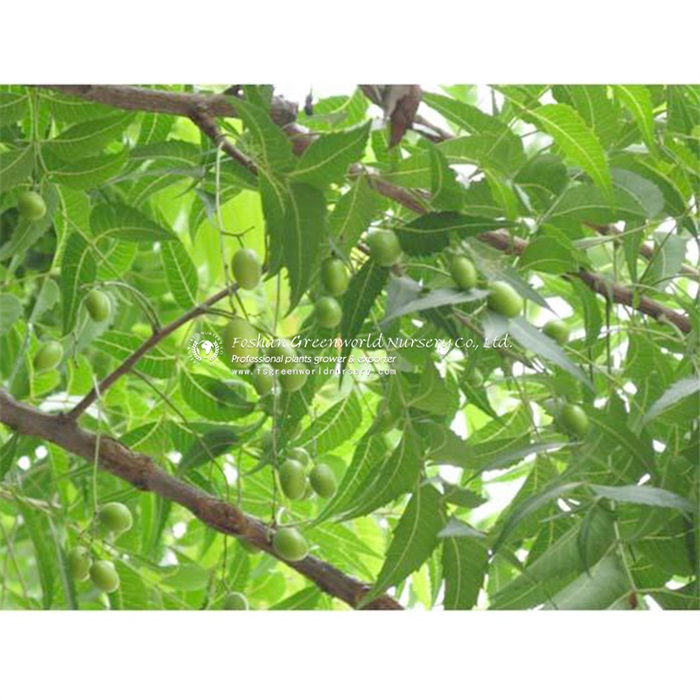
In recent years, urban landscaping and city beautification initiatives have gained significant momentum as municipalities and communities strive to create healthier, more sustainable, and aesthetically pleasing environments. One prominent tree species emerging as a favorite in these urban greening projects is *Prunus yedoensis*, widely appreciated for its stunning floral displays and ecological benefits. This development aligns with the growing incorporation of a diverse range of tree species such as *Lagerstroemia indica*, *Delonix regia*, *Hibiscus tiliaceus* (and its variety *Rubra*), *Pongamia pinnata*, *Albizia saman*, *Millingtonia hortensis*, *Ficus nitida*, *Peltophorum*, *Ginkgo biloba*, *Magnolia grandiflora*, *Photinia serrulata*, *Cinnamomum camphora*, *Trachycarpus fortunei*, *Tecoma stans*, *Wodyetia bifurcata*, *Sea grape plant*, *Ficus religiosa* (bonsai sacred fig tree), and *Ficus racemosa*.
### The Allure of Prunus Yedoensis in Urban Ecologies
*Prunus yedoensis*, commonly known for its breathtaking cherry blossom displays during spring, is gaining widespread recognition beyond its traditional use in parks and gardens. Its adaptability to various urban conditions, alongside its ability to flourish in diverse climatic zones, makes it an ideal candidate for city planners aiming to enhance public green spaces. The tree’s graceful pink-white blossoms not only uplift cityscapes visually but also draw community interest, promoting outdoor activity and social cohesion.
Urban greening professionals have noted that integrating *Prunus yedoensis* into street-side plantings, plazas, and recreational parks supports urban biodiversity by providing habitats and food sources for pollinators such as bees and butterflies. In addition, this species helps improve air quality and moderate urban microclimates by offering shade and cooling effects during hot months.
### Diverse Tree Species Enhancing Urban Landscapes
Alongside *Prunus yedoensis*, a wide array of tree species are being integrated into city forestry efforts due to their unique attributes:
- **Lagerstroemia indica** (Crape Myrtle) is prized for its vibrant summer flowers and long growing season, making it a colorful addition to sidewalks and parks.
- **Delonix regia** (Flamboyant tree) adds a dramatic splash of fiery red blossoms, creating striking avenues and focal points.
- **Hibiscus tiliaceus** and its red variant provide lush foliage and seasonal blooms ideal for coastal and tropical urban areas.
- **Pongamia pinnata** is favored for its nitrogen-fixing qualities, improving soil fertility, and its resilience to pollution.
- **Albizia saman** (Rain tree) offers expansive canopies ideal for shading playgrounds and open spaces.
- **Millingtonia hortensis** produces fragrant flowers, enhancing sensory experiences in urban parks.
- **Ficus nitida**, *Ficus religiosa*, and *Ficus racemosa* contribute significantly to urban biodiversity, supporting birdlife and other fauna.
- **Peltophorum** and **Ginkgo biloba** lend architectural interest with their distinctive leaves and seasonal color changes.
- **Magnolia grandiflora** is valued for its large, aromatic flowers and evergreen foliage, offering year-round greenery.
- **Photinia serrulata** provides dense, colorful foliage that is ideal for decorative landscaping.
- **Cinnamomum camphora** contributes aromatic benefits and robust shade.
- **Trachycarpus fortunei** and **Wodyetia bifurcata** introduce subtropical palm aesthetics, enhancing tropical urban atmospheres.
- **Tecoma stans**, known for its bright yellow flowers, attracts pollinators and beautifies streetscapes.
- **Sea grape plant** is particularly valued in coastal urban locations for its salt tolerance and distinctive leaves.
### Urban Reforestation and Environmental Impact
The thoughtful selection and planting of these tree species form the backbone of sustainable urban forestry programs, which aim to mitigate the adverse effects of urbanization such as heat islands, air pollution, and decreased biodiversity. The interplay of deciduous and evergreen species ensures that urban areas maintain vibrant colors across seasons while providing shelter and food sources for wildlife.
Moreover, incorporating trees like *Pongamia pinnata*, known for its biofuel applications, and nitrogen-fixing species supports environmental sustainability and promotes green economy principles within cities.
### Community Engagement and Wellness Benefits
Effective urban forestry projects involving diverse species including *Prunus yedoensis* have demonstrated numerous social benefits. Green spaces offer residents places of recreation, stress relief, and community gathering, improving overall public health and well-being. Seasonal tree blooms and foliage changes create natural beauty that fosters a sense of pride and connection between residents and their environments.
Educational programs associated with urban tree planting campaigns also raise awareness about environmental stewardship and empower citizens to participate actively in maintaining their neighborhoods.
### Challenges and Future Directions
Despite the evident benefits, urban tree planting faces challenges such as limited space, soil compaction, and maintenance costs. Selecting species like *Prunus yedoensis* and others that are well-adapted to urban stresses is critical. Urban planners are increasingly applying advances in arboriculture and landscape architecture to optimize tree survival and growth.
Technological innovations such as smart irrigation systems and soil monitoring tools complement traditional landscaping methods, ensuring healthy long-term growth. Partnerships between municipal agencies, environmental organizations, and community groups remain vital to sustaining these greening efforts.
### Conclusion
The integration of *Prunus yedoensis* alongside a diverse palette of tree species into urban landscapes represents a holistic approach to city greening that addresses ecological, aesthetic, and social objectives. As cities worldwide continue to commit to sustainability and livability goals, these trees provide essential framework for greener, healthier environments that support biodiversity and enrich human experience.
As urban forestry initiatives expand, ongoing research, community involvement, and strategic planning will be key to maximizing the positive impact of these magnificent trees, transforming concrete jungles into verdant havens for generations to come.