
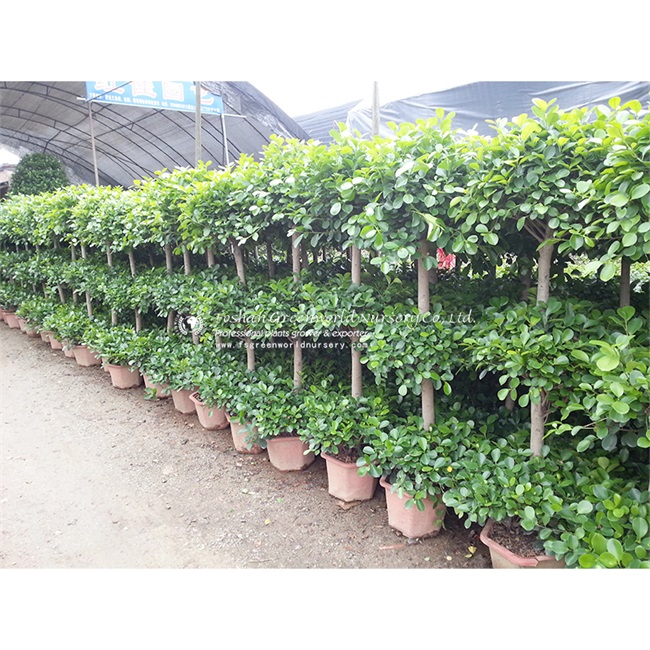
As urbanization accelerates worldwide, the importance of integrating greenery into city landscapes has never been clearer. Trees not only enhance aesthetic appeal but also play critical roles in improving air quality, reducing urban heat islands, and fostering biodiversity. Among the myriad of tree species valuable for urban afforestation, *Bauhinia purpurea* stands out as a versatile and resilient choice. Combined with a diverse range of other botanicals, such as *Lagerstroemia indica*, *Delonix regia*, and *Ginkgo biloba*, these plants form an essential backbone to greening efforts around the globe.
### Spotlight on *Bauhinia purpurea*: A Versatile Urban Tree
Commonly known as the purple orchid tree, *Bauhinia purpurea* is renowned for its striking purple flowers and elegant foliage. This small to medium-sized tree thrives in tropical and subtropical climates, contributing to shade provision and ornamental beauty in parks, gardens, and along city streets. The tree’s adaptability allows it to flourish in various soil types, and its drought tolerance makes it particularly valuable in urban settings where water conservation is crucial.
Beyond its ornamental appeal, *Bauhinia purpurea* has ecological significance. Its flowers attract pollinators such as bees and butterflies, supporting urban biodiversity. Additionally, the tree’s canopy helps mitigate the effects of urban heat islands by shading surfaces and transpiring water.
### Complementary Species for Urban Greening
Several other tree species complement *Bauhinia purpurea* in creating vibrant urban forests. Below is a brief overview of some important species and their unique contributions to city ecosystems:
- **Lagerstroemia indica (Crape Myrtle):** Known for its long-lasting, colorful blooms, this species adds seasonal interest and is highly tolerant of urban pollution.
- **Delonix regia (Flamboyant Tree):** Famous for its fiery red flowers and wide-spreading shade, it enhances streetscapes and community parks with its dramatic presence.
- **Hibiscus tiliaceus rubra:** This variety of the seaside hibiscus combines ornamental flowers with excellent adaptability to coastal environments, making it suitable for waterfront urban areas.
- **Pongamia pinnata:** A nitrogen-fixing tree improving soil fertility, it's also valued for its resilience to poor soil and drought conditions.
- **Albizia saman (Rain Tree):** Celebrated for its expansive canopy, it effectively shelters open areas from sun, promoting cooler microclimates.
- **Millingtonia hortensis (Indian Cork Tree):** Offering fragrant white blooms and fast growth, this tree is commonly used along roadsides for shade and fragrance.
- **Ficus nitida (Indian Laurel Fig):** An evergreen species excellent for large urban parks, providing dense shade and serving as a wildlife habitat.
- **Peltophorum:** Featuring bright yellow flowers, it's a popular choice for ornamental urban planting.
- **Ginkgo biloba:** Revered as a living fossil, this tree stands out due to its unique fan-shaped leaves, durability, and ability to tolerate urban pollution.
- **Magnolia grandiflora:** Valued for its large, fragrant flowers and glossy leaves, it enhances the aesthetic and acoustic environment.
- **Photinia serrulata:** Common in hedging and as a small tree, it contributes to boundary planting with its colorful foliage.
- **Cinnamomum camphora (Camphor Tree):** Known for aromatic leaves and broad canopy, it's a historically significant shade tree.
- **Prunus yedoensis (Yoshino Cherry):** Celebrated for spectacular spring blossoms, it enriches urban parks and recreational spaces.
- **Trachycarpus fortunei (Windmill Palm):** A palm species providing tropical flair and adaptability to cooler urban climates.
- **Tecoma stans:** Producing bright yellow flowers, this species attracts pollinators and is appreciated for low maintenance.
- **Wodyetia bifurcata (Foxtail Palm):** Visually striking, it is often incorporated into streetscapes and parks.
- **Sea Grape Plant:** Thrives in coastal urban regions, providing dense foliage and soil stabilization.
- **Ficus religiosa (Sacred Fig Tree):** Holds cultural and religious significance, making it a cherished urban tree.
- **Ficus racemosa:** Offers broad canopy and is culturally valuable in some regions.
### Urban Greening: Synergistic Planting for Sustainable Cities
The combination of *Bauhinia purpurea* with the aforementioned species offers urban planners and landscape architects a palette of options for sustainable city development. Employing a diverse range of trees with differing canopy structures, flowering times, and ecological functions orders multiple benefits:
- **Seasonal Interest:** By selecting species with staggered flowering seasons, cities can maintain year-round floral displays, contributing to resident well-being and tourism allure.
- **Biodiversity Support:** A mix of native and adaptable non-native species creates habitats for a variety of urban wildlife, including birds, insects, and small mammals.
- **Climate Mitigation:** Trees provide shade, reduce surface temperatures, and sequester carbon dioxide, helping cities combat environmental challenges such as heat stress and pollution.
- **Soil and Water Management:** Species like *Pongamia pinnata*, which enrich the soil through nitrogen fixation, support healthier green spaces that require less chemical intervention.
- **Cultural and Aesthetic Enhancement:** Trees such as *Ficus religiosa* and *Prunus yedoensis* connect urban dwellers to cultural heritage, fostering community identity.
### Company Introduction: Pioneering Urban Greening Solutions
Committed to advancing greenery in metropolitan environments, the company specializes in cultivating and supplying a comprehensive range of tree species suitable for urban plantation. Their portfolio encompasses resilient and ornamental plants including *Lagerstroemia indica*, *Delonix regia*, *Hibiscus tiliaceus rubra*, *Pongamia pinnata*, *Albizia saman*, *Millingtonia hortensis*, *Ficus nitida*, *Peltophorum*, *Ginkgo biloba*, *Magnolia grandiflora*, *Photinia serrulata*, *Cinnamomum camphora*, *Prunus yedoensis*, *Trachycarpus fortunei*, *Tecoma stans*, *Wodyetia bifurcata*, sea grape plants, *Ficus religiosa*, and *Ficus racemosa*.
By emphasizing quality propagation techniques and sustainable nursery practices, the company ensures that the plants delivered withstand urban stresses, promoting long-term success of greening projects. The synergy of scientific knowledge and hands-on experience allows them to provide expert consultation for urban forestry initiatives, tailoring species selection to climatic, soil, and cultural conditions.
### Looking Ahead
The integration of *Bauhinia purpurea* alongside a selection of ecologically and aesthetically complementary trees is a promising step toward reinvigorating urban green spaces. As cities grow denser, the role of trees expands beyond beautification to becoming pivotal components of urban infrastructure that safeguard environmental health and enrich quality of life.
With collaboration between botanical experts, urban planners, and dedicated nurseries, the vision of lush, sustainable urban landscapes populated by vibrant species is within reach. Such efforts will yield cities where nature and humanity coexist harmoniously, paving the path for resilient and inviting urban environments for generations to come.
---
**For further information on tree species selections and urban greening strategies, interested parties may contact the company directly or visit their website to explore available resources and plant catalogs.**