
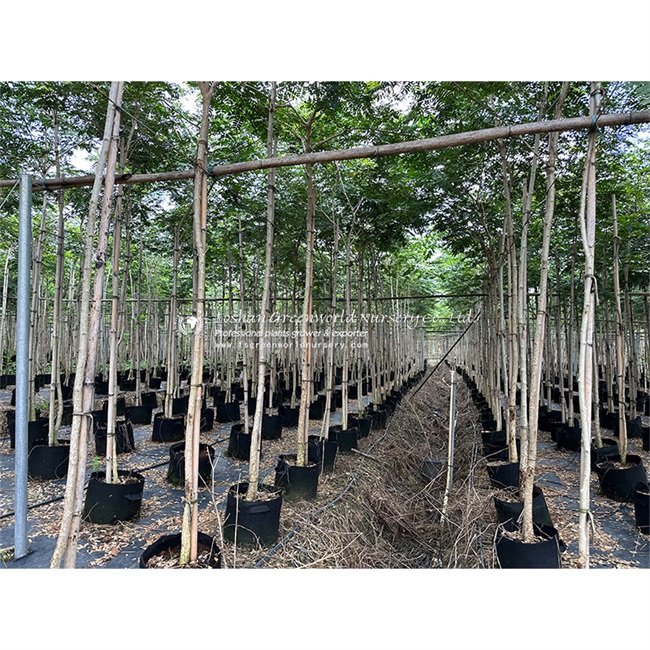
The Arasa Maram tree, known for its cultural and ecological significance, is a valued plant species in many regions. Commonly referred to in English as the **Holy Fig** or more scientifically as *Ficus Religiosa*, this tree holds a special place in both environmental and spiritual contexts.
The Arasa Maram, a large and majestic tree, is noted for its longevity and distinctive heart-shaped leaves, which often have a trailing tip. It is widely recognized as a sacred tree in many traditions, symbolizing enlightenment and peace. This connection is primarily due to its association with several religious and historical events, particularly in South Asia, where it is revered as a symbol of spirituality and endurance.
### Botanical Characteristics and Environmental Role
The Holy Fig tree is a species of fig native to the Indian subcontinent and Indochina. It thrives in tropical and subtropical climates and is known for its robust adaptability to different soil types and environmental conditions. The tree typically grows to a towering height, providing ample shade and serving as a habitat for numerous bird species and other wildlife. Its dense foliage helps in improving air quality by absorbing pollutants and producing oxygen, making it an essential element in urban greening initiatives.
The Arasa Maram’s extensive root system aids in soil stabilization and prevents erosion, which is particularly beneficial in areas prone to flooding and heavy rains. These features not only contribute to the ecological balance but also enhance the aesthetic value of the landscapes it inhabits.
### Related Tree Species and Diversity
The Arasa Maram is part of a diverse botanical family that includes several other notable species, each contributing uniquely to our environment and heritage. Some of these related trees include:
- **Lagerstroemia Indica**: Commonly known as the Crepe Myrtle, this tree is celebrated for its vibrant and long-lasting flowers that bloom during the summer. It is a popular ornamental tree in many parks and gardens due to its appealing bark and colorful blossoms.
- **Delonix Regia**: Also called the Flame Tree or Royal Poinciana, it is renowned for its wide-spreading canopy and striking red flowers that create a spectacular floral display. It is an important shade tree in tropical and subtropical areas.
- **Hibiscus Tiliaceus** and **Hibiscus Tiliaceus Rubra**: Known commonly as the Sea Hibiscus, these species are found near coastal areas and are appreciated for their large, heart-shaped leaves and hibiscus-like flowers. They serve as buffer plants protecting shorelines from erosion.
- **Pongamia Pinnata**: Often referred to as the Indian Beech tree, this species is valued for its nitrogen-fixing capabilities, which enrich the soil, as well as its seeds that produce oil used in biofuel production.
- **Albizia Saman**: The Rain Tree, recognized by its broad canopy and sprawling branches, is a favored shade tree in tropical countries and plays a key role in agroforestry systems.
- **Millingtonia Hortensis**: Known as the Indian Cork Tree, it is admired for its fragrant white flowers and fast growth, often planted as a roadside tree.
- **Ficus Nitida**: A close relative within the fig family, known for its dense foliage and adaptability, commonly used as a landscaping tree.
- **Peltophorum**: This genus includes species like the Copperpod or Yellow Flame tree, which are noted for their beautiful yellow flowers and use in reforestation projects.
- **Ginkgo Biloba**: Known as the Maidenhair Tree, it stands out as a living fossil with unique fan-shaped leaves and remarkable resistance to pollution and environmental stress, often planted in urban areas worldwide.
- **Magnolia Grandiflora**: The Southern Magnolia is famous for its large, fragrant white flowers and glossy evergreen leaves, symbolizing beauty and resilience.
- **Photinia Serrulata**: A popular ornamental plant valued for its red-tinted young leaves and white flowers, often used in hedges and landscaping.
- **Cinnamomum Camphora**: Known as the Camphor Tree, it is esteemed for its aromatic leaves and medicinal properties.
- **Prunus Yedoensis**: The Yoshino Cherry, famous for its stunning cherry blossoms, is a symbol of beauty and the fleeting nature of life in Japanese culture.
- **Trachycarpus Fortunei**: Also called the Windmill Palm, it is one of the hardiest palms and is used extensively in landscaping.
- **Tecoma Stans**: Known as the Yellow Bells or Esperanza, it produces bright yellow trumpet-shaped flowers and is favored for its drought tolerance.
- **Wodyetia Bifurcata**: The Foxtail Palm, native to Australia with distinctive feather-like fronds, popular in urban landscapes.
- **Sea Grape Plant**: Indigenous to coastal regions, it has robust growth and large leaves that protect shorelines.
- **Ficus Racemosa**: Also known as the Cluster Fig, it produces fruit that is important for wildlife and is used in traditional medicine.
### Conclusion
The Arasa Maram tree (*Ficus Religiosa*) not only enriches the natural environment through its ecological services but also holds profound cultural and spiritual value. Alongside its diverse relatives, it forms an integral part of our botanical heritage, offering environmental benefits such as habitat support, air purification, soil conservation, and aesthetic enhancement. Efforts to conserve and plant these trees contribute significantly to sustaining biodiversity and improving the quality of urban and rural environments alike.
Recognizing the contributions of each species within this diverse group encourages broader appreciation and responsible stewardship of our green legacy, ensuring that these majestic trees continue to thrive for generations to come.