
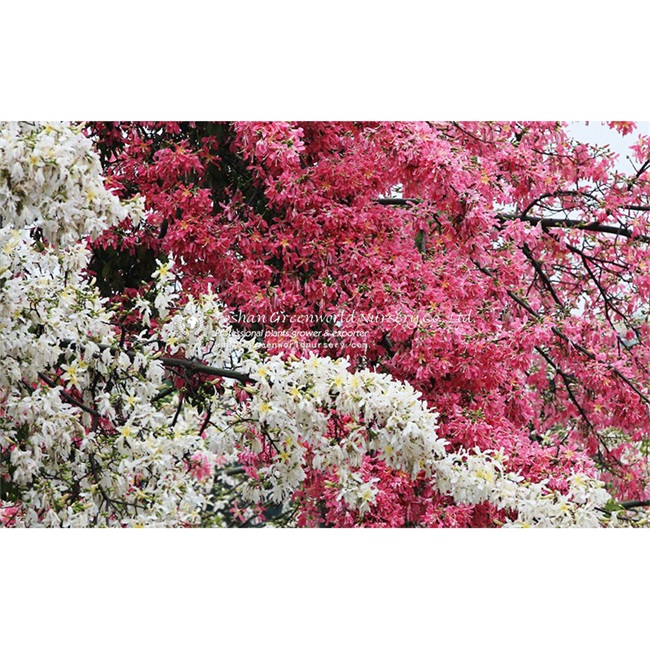
In a significant move to enhance urban greenery and promote ecological balance, the city's environmental department has announced a comprehensive tree plantation program featuring a wide variety of species. The initiative aims to improve air quality, provide shaded areas, support biodiversity, and beautify urban spaces, reflecting a growing commitment to sustainable urban development.
### Diverse Species Selected for Maximum Ecological Impact
The selection of tree species for the plantation drive has been carefully curated to suit the local climate, soil conditions, and ecological needs. These species include Lagerstroemia indica, Delonix regia, Hibiscus tiliaceus (both red and common varieties), Pongamia pinnata, Albizia saman, Millingtonia hortensis, Ficus nitida, Peltophorum, Ginkgo biloba, Magnolia grandiflora, Photinia serrulata, Cinnamomum camphora, Prunus yedoensis, Trachycarpus fortunei, Tecoma stans, Wodyetia bifurcata, Sea Grape Plant, Ficus religiosa (commonly known as the sacred fig tree), Ficus racemosa, and several species suitable for bonsai cultivation.
In particular, Albizia saman—known for its expansive canopy—has been favored for larger parks and open spaces, offering excellent shade and habitat for urban fauna. This tree's ability to improve soil quality through nitrogen fixation adds to its environmental benefits.
### Enhancing Urban Biodiversity and Ecosystem Services
This diverse range of species ensures that the urban forest mimics natural ecosystems more closely. Trees like Ginkgo biloba and Magnolia grandiflora bring unique aesthetic qualities and seasonal changes that enrich community spaces. Meanwhile, species such as Pongamia pinnata and Tecoma stans contribute to nitrogen enrichment and attract pollinators, respectively.
The inclusion of fruit-bearing species like Sea Grape Plant and culturally significant trees such as Ficus religiosa underscores the program’s holistic approach. These trees not only beautify but also support urban biodiversity by providing food and shelter for birds, insects, and small mammals.
### Focus on Climate Resilience and Sustainability
In the face of increasing urban heat and climate challenges, the selection of hardy species like Trachycarpus fortunei (windmill palm) and Wodyetia bifurcata (foxtail palm) introduces drought-tolerant options for landscaping. Additionally, Camphor trees (Cinnamomum camphora) and Delonix regia (flamboyant tree) are known for their robust growth and ability to withstand pollution, making them suitable for roadside planting.
The plantation strategy also incorporates species that are capable of carbon sequestration and improving air quality, aligning with the city’s climate action goals.
### Community Engagement and Educational Outreach
To ensure the success and longevity of this greening initiative, the city is partnering with local schools, community groups, and environmental organizations to raise awareness about the importance of urban trees. Educational programs, workshops, and tree care training sessions will be conducted to empower residents to nurture planted saplings.
The urban forestry department encourages citizens to participate in tree-planting drives, volunteer for maintenance activities, and adopt trees in their neighborhoods. Such community involvement is critical to fostering a sense of stewardship and ensuring these trees thrive for generations.
### Future Expansion and Monitoring Plans
Monitoring protocols have been established to track the growth, health, and survival rates of the planted trees. Technological tools including GIS mapping and remote sensing will be employed to gather data that inform ongoing urban forestry practices.
Looking ahead, plans are underway to expand the program to more neighborhoods, including marginalized areas that currently lack green spaces. This inclusive approach promotes environmental justice by ensuring equitable access to the benefits of urban nature.
### Conclusion
The city's ambitious tree plantation program marks a promising step toward greener, healthier, and more livable urban environments. By integrating a rich tapestry of tree species such as Lagerstroemia indica, Albizia saman, Ginkgo biloba, and Ficus religiosa, the initiative not only beautifies public spaces but also enhances biodiversity, combats climate change, and fosters community well-being.
Residents and stakeholders are invited to embrace this green transformation, recognizing trees as essential allies in building a sustainable future. Together, through collective effort and care, the city’s urban forest will flourish, providing shade, clean air, and ecological harmony for all.
---
**About the Tree Species Featured in the Initiative**
- **Lagerstroemia indica**: Popularly known for its vibrant summer blooms, widely used in urban landscaping.
- **Delonix regia**: Also called the flamboyant tree, recognized for its striking red flowers and wide canopy.
- **Hibiscus tiliaceus**: A coastal species that thrives in saline conditions.
- **Pongamia pinnata**: A nitrogen-fixing tree beneficial for soil enrichment.
- **Albizia saman**: Known for its broad umbrella-like canopy, ideal for providing shade.
- **Millingtonia hortensis**: Often called the Indian cork tree, noted for fragrant flowers.
- **Ficus nitida**: A robust fig tree often utilized in street planting.
- **Peltophorum**: Known as the copperpod tree, features bright yellow flowers.
- **Ginkgo biloba**: A living fossil tree with fan-shaped leaves, tolerant to pollution.
- **Magnolia grandiflora**: An evergreen with large, fragrant white flowers.
- **Photinia serrulata**: Valued for its decorative red foliage.
- **Cinnamomum camphora**: The camphor tree, recognized for its aromatic leaves and wood.
- **Prunus yedoensis**: Cherry blossom variety important for aesthetic urban settings.
- **Trachycarpus fortunei**: The windmill palm, drought-resistant and adaptable.
- **Tecoma stans**: Known as yellow bells, attracts pollinators.
- **Wodyetia bifurcata**: The foxtail palm, prized for tropical landscaping.
- **Sea Grape Plant**: Often used in coastal landscaping.
- **Ficus religiosa**: The sacred fig tree, culturally significant and ecologically valuable.
- **Ficus racemosa**: Another important fig species supporting wildlife.
This selection reflects a harmony between ecological priorities and urban aesthetics, aiming to create a resilient and vibrant urban forest for the city’s future.